How to Care for Your Houseplants in Summer?
Summer is a season of growth, sunshine, and longer days, but it can also be one of the most challenging times for indoor plants. While many houseplants enjoy the increased light and warmth, higher temperatures, stronger sunlight, and changes in humidity can quickly lead to problems such as scorched leaves, dehydration, and pest infestations. During summer, most houseplants enter their active growing phase. Increased daylight encourages plants to produce new leaves, roots, and flowers. However, this growth also means they require more water, nutrients, and attention than in autumn and winter. By making a few seasonal adjustments, you can help your plants flourish throughout the warmer months.
1. Water More Frequently (But Don't Overwater)
One of the biggest mistakes plant owners make during summer is assuming every plant needs daily watering. While houseplants generally require more water during warm weather, watering should always depend on the plant and soil conditions rather than a strict schedule.
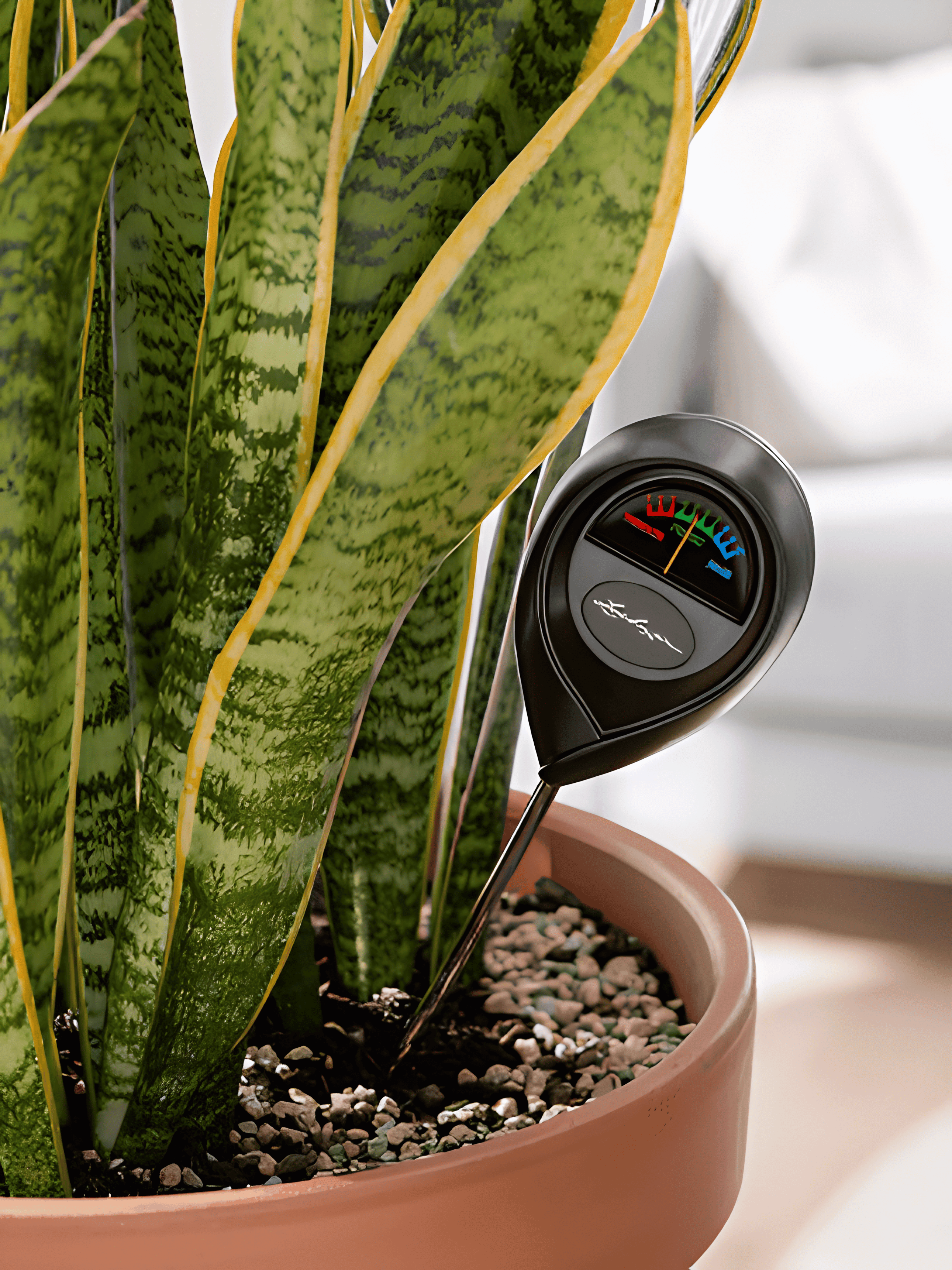
How to Check if Your Plant Needs Water
Insert your finger 2-3 cm into the soil. If the soil feels dry, it's usually time to water. If it still feels moist, wait another day or two.
Summer Watering Tips
✅ Water early in the morning when possible.
✅ Water thoroughly until excess drains from the bottom of the pot.
✅ Empty decorative pots and saucers after watering.
✅ Monitor thirsty plants more closely during heatwaves.
2. Protect Plants from Intense Sunlight
More light doesn't always mean better growth. Many popular houseplants originate in tropical forests, where they grow beneath a tree canopy. Strong, direct sunlight can scorch leaves, causing brown patches, crispy edges, and curled foliage. The best summer locations are those with bright, indirect light. Use sheer curtains to filter harsh afternoon sun if needed.
3. Increase Humidity for Tropical Plants
Although UK summers can be humid outdoors, indoor conditions often become surprisingly dry due to open windows, fans and increased airflow. Tropical plants appreciate humidity levels between 50% and 70%.
Easy Ways to Boost Humidity
Group Plants Together
Plants naturally release moisture through transpiration, creating a more humid microclimate.
Use a Humidity Tray
Place pebbles in a tray with water beneath your plant pot.
Invest in a Humidifier
This is the most effective option for humidity-loving plants.
4. Feed Your Houseplants During Active Growth
Summer is the prime growing season, making it the ideal time to
fertilise. Plants use nutrients quickly when producing new growth, so regular feeding can encourage larger leaves, faster growth, stronger roots, and more flowers. Signs your plant may need feeding include slow growth, pale leaves, and smaller new foliage.
General Feeding Guidelines
- Feed every 2-4 weeks during spring and summer.
- Use a balanced houseplant fertiliser.
- Always follow the manufacturer's instructions.
- Never fertilise dry soil.
- Avoid overfeeding, as this can damage roots and cause leaf burn.
5. Watch Out for Summer Pests
Warm temperatures create perfect conditions for common houseplant pests.
Most Common Summer Houseplant Pests
Spider Mites
Signs include fine webbing, speckled leaves, yellowing foliage, and fungus gnats.
Mealybugs
White cotton-like clusters on stems and leaf joints.
Thrips
Tiny insects that leave silvery streaks on leaves.
How to Prevent Pest Problems
- Inspect plants weekly.
- Check under leaves.
- Improve airflow.
- Isolate new plants before introducing them to your collection.
- Remove damaged foliage promptly.
Early detection makes treatment significantly easier.
6. Repot Plants That Have Outgrown Their Pots
Summer is one of the best times to repot houseplants because they're actively growing and can recover quickly. Signs your plant needs repotting include roots emerging from drainage holes, water running straight through the pot, stunted growth, and root-bound soil. Choose the appropriate
soil for your plants, and use a pot that is only one size larger than the current container to avoid excess moisture retention.
7. Clean Your Plant Leaves
Dust accumulates surprisingly quickly and can block sunlight from reaching leaves. A clean leaf can photosynthesise more efficiently, helping plants grow stronger throughout summer.
How to Clean Houseplant Leaves
- Use a soft, damp cloth.
- Support the leaf while wiping.
- Avoid harsh cleaning products.
- Rinse shower-safe plants occasionally.
Large-leaf plants such as Monstera, Philodendron, and Rubber Plants particularly benefit from regular cleaning.
8. Rotate Plants for Even Growth
Plants naturally grow towards the strongest light source. Without rotation, they can become leaning, lopsided, or uneven. Turn your plants approximately a quarter turn every one to two weeks to encourage balanced growth.
9. Be Careful During UK Heatwaves
While heatwaves are relatively rare in the UK, they can cause rapid stress for indoor plants. Plants can lose water surprisingly fast when temperatures exceed 25°C.
During Very Hot Weather
- Move plants away from hot windows.
- Check soil moisture daily.
- Increase humidity.
- Avoid repotting.
- Delay fertilising until temperatures return to normal.
Frequently Asked Questions
Should I water my houseplants every day in summer?
Not usually. Most houseplants prefer thorough watering when the soil begins to dry rather than daily watering. Always check the soil before watering.
Can houseplants get sunburned?
Yes. Direct summer sunlight can scorch leaves, particularly on tropical plants such as Monstera, Calathea, and Philodendron.
Is summer the best time to repot houseplants?
Yes. Most houseplants are actively growing during summer, making recovery from repotting faster and more successful.
Should I fertilise houseplants in summer?
Absolutely. Summer is the peak growing season, and regular feeding supports healthy foliage, roots, and flowering.
Keep Your Houseplants Thriving This Summer
Summer is one of the most rewarding seasons for plant lovers. With the right balance of watering, light, humidity, and feeding, your houseplants can reward you with lush growth and vibrant foliage all season long.
At Rebel Plants, we're passionate about helping plant lovers create thriving indoor jungles. Explore our collection of
unique houseplants,
stylish pots, and expert plant care advice to keep your home greener than ever.