


Filters











Lucky Houseplants UK | Feng Shui Plants for Good Fortune, Rebel Plants
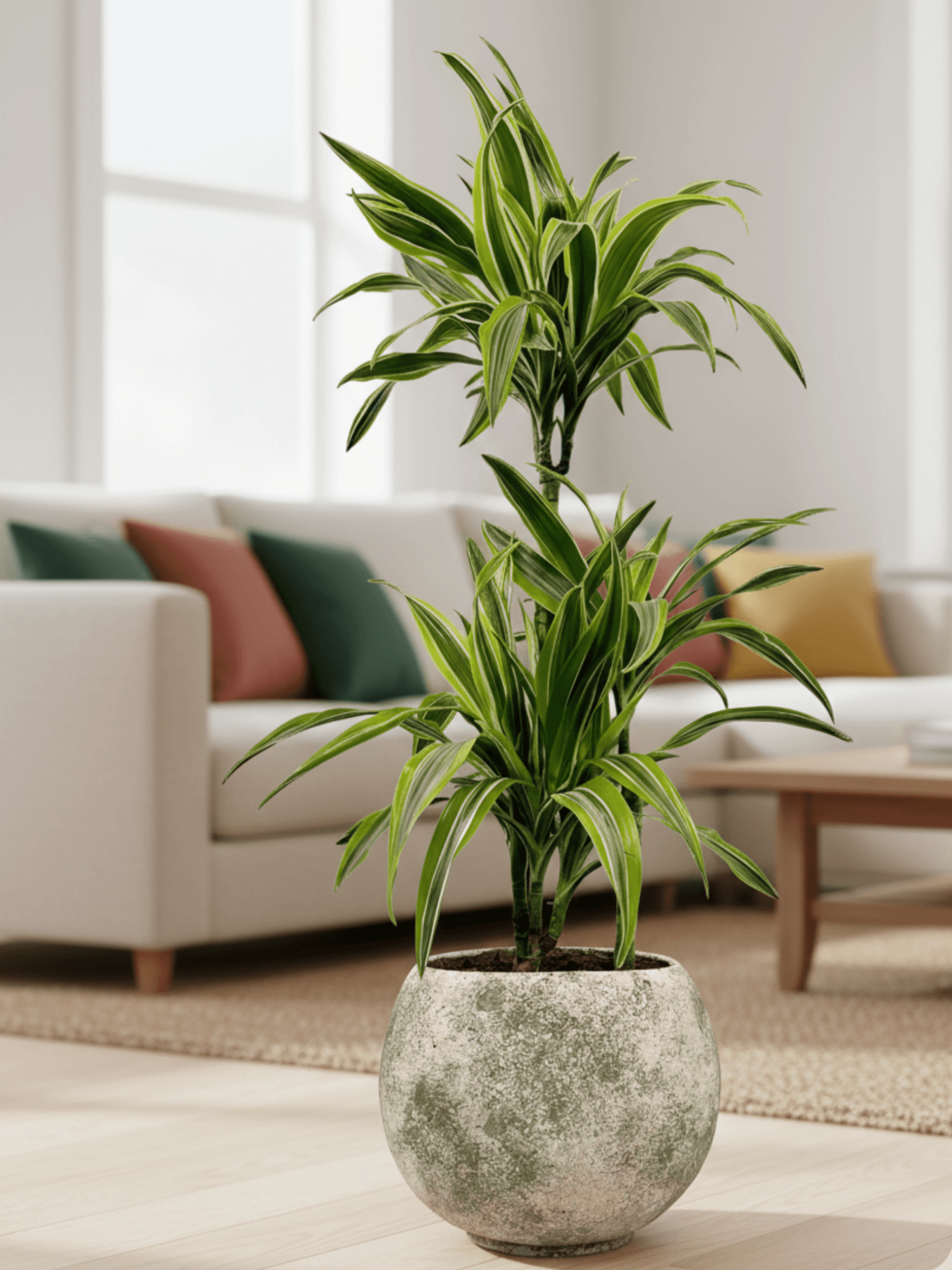
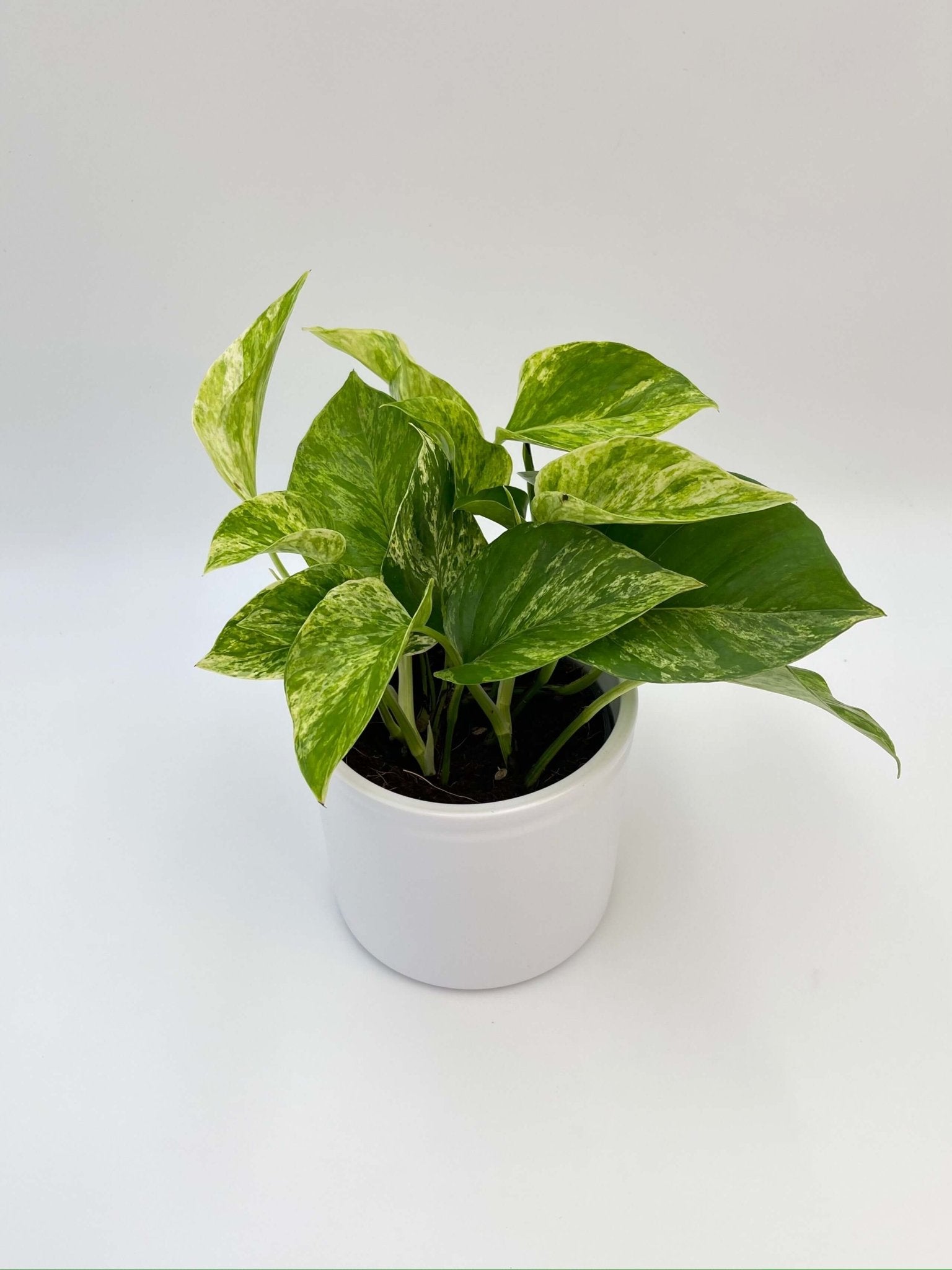
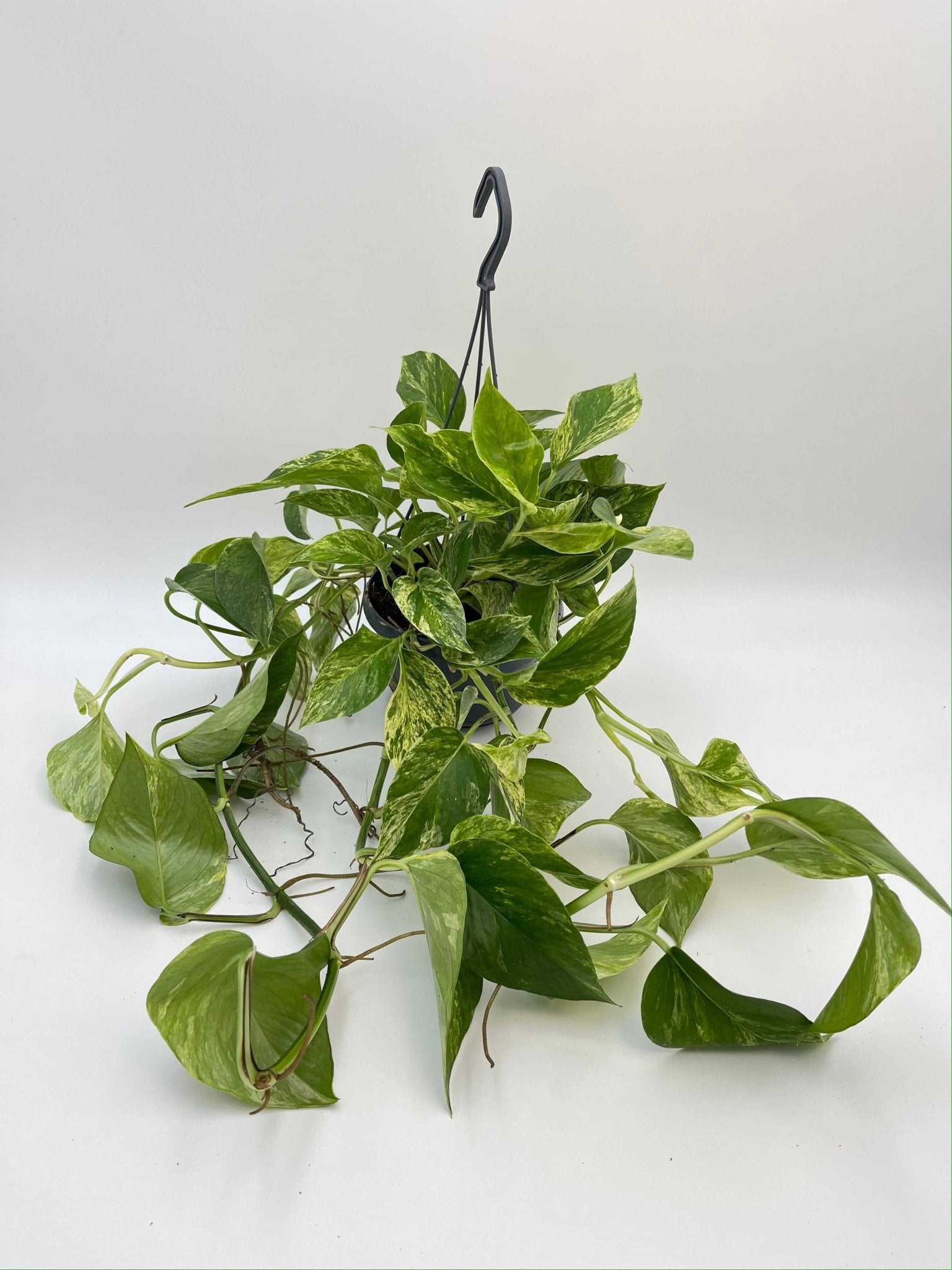
Lucky houseplants UK buyers are increasingly drawn to plants that bring something extra to a home beyond their beauty. Whether you believe fully in feng shui principles, follow the symbolism of plants from Chinese, Japanese, or Southeast Asian traditions, or simply love the idea of surrounding yourself with greenery that carries a positive meaning, this collection brings together the most celebrated and widely loved good fortune plants available to buy in the UK. From the iconic Lucky Bamboo and the cheerful Chinese Money Plant to the serene Peace Lily and the architecturally striking Money Tree, every plant here has a story worth knowing. Rebel Plants is based in London and delivers UK-wide, so your lucky plant can reach you or anyone you are gifting it to quickly and in perfect condition.
What Are the Best Feng Shui Plants for the Home?
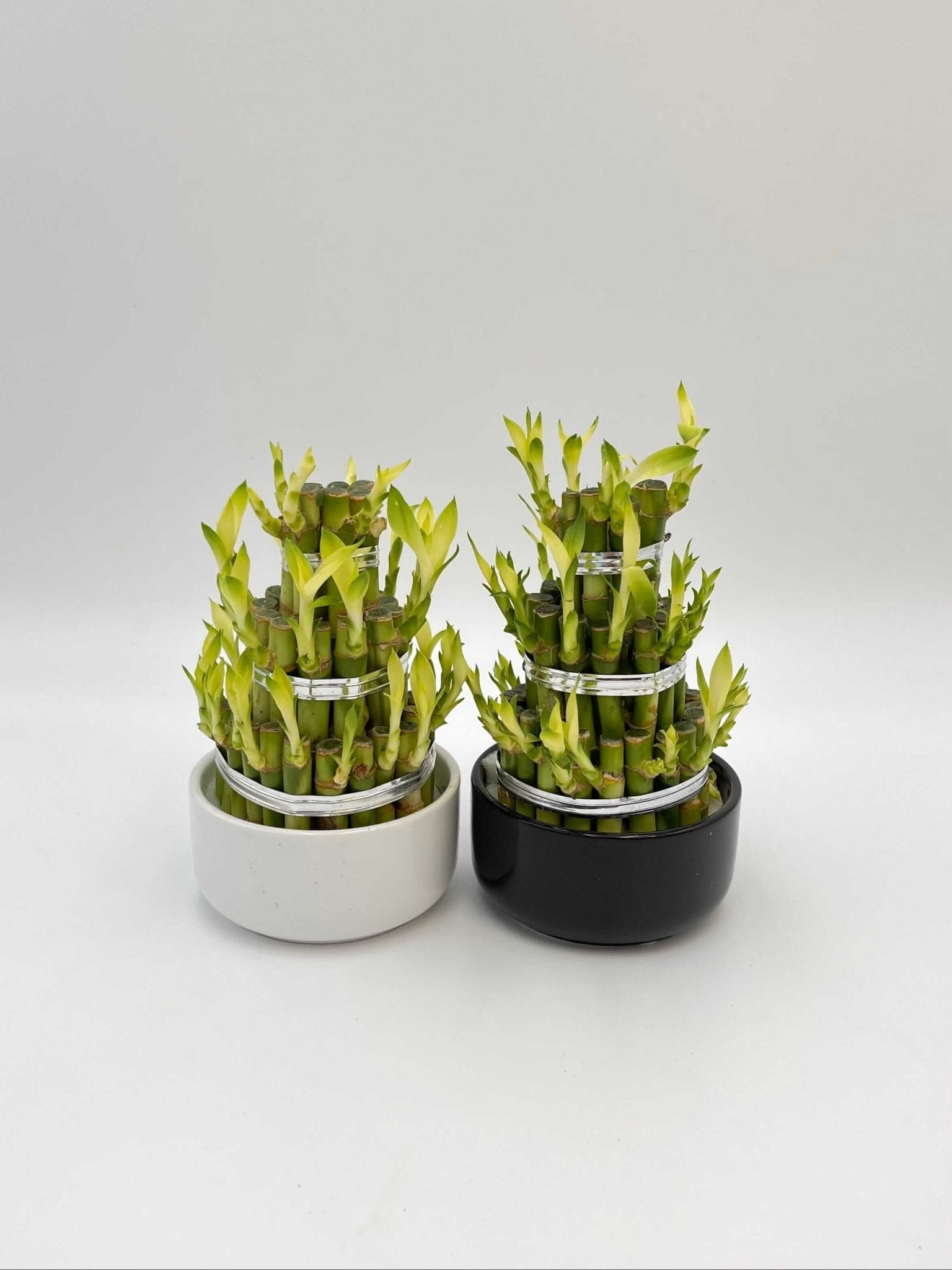
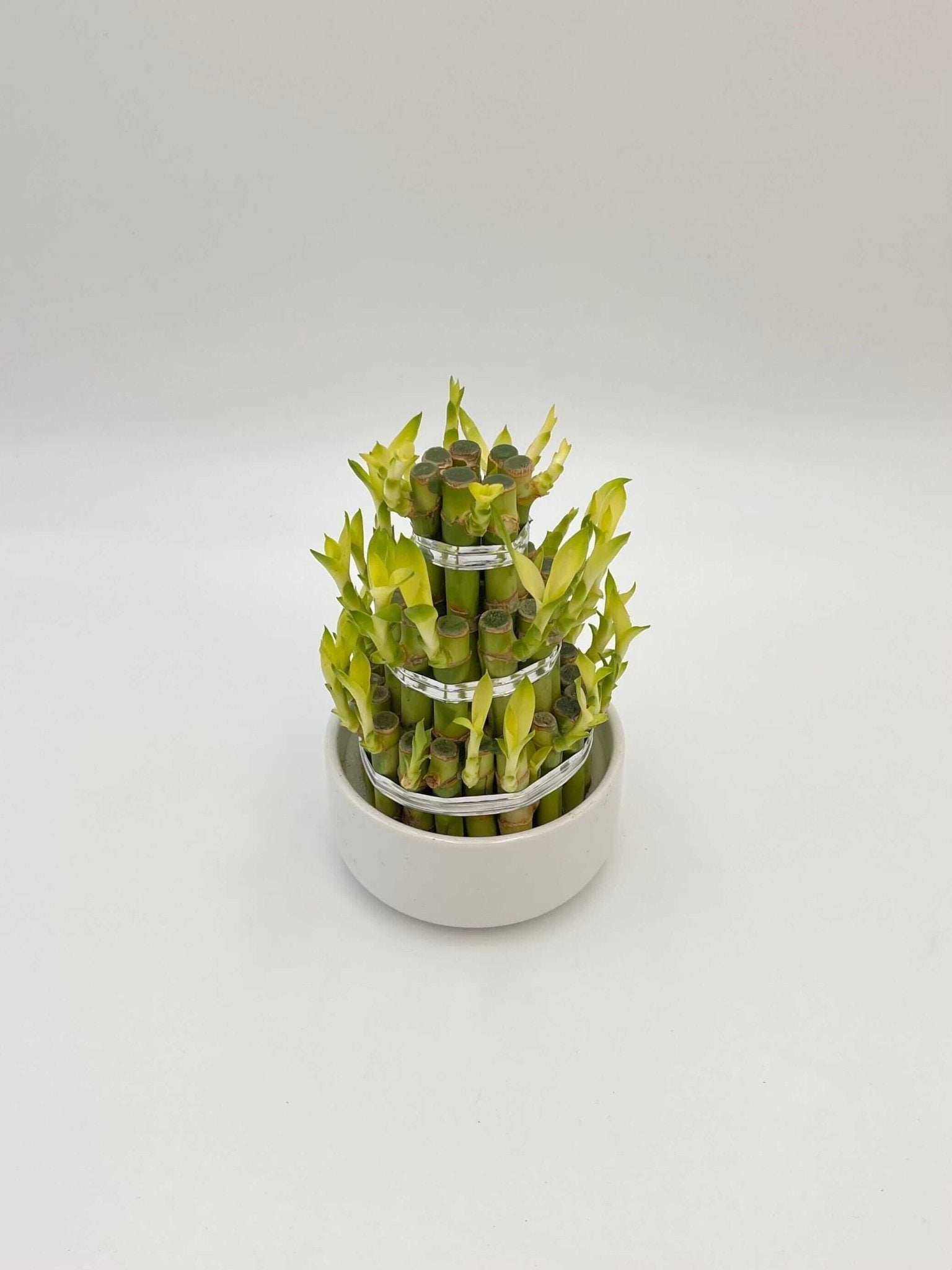
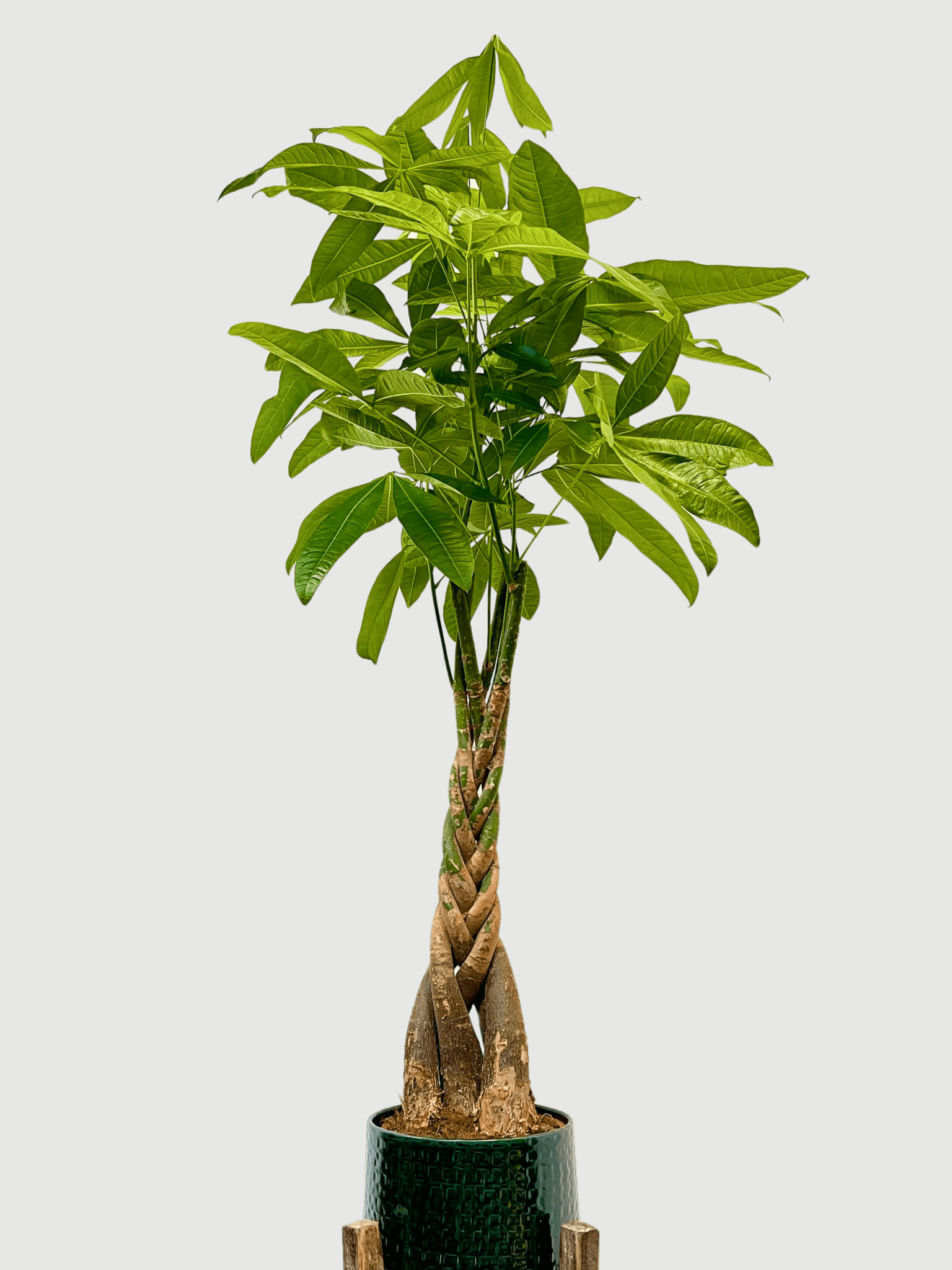
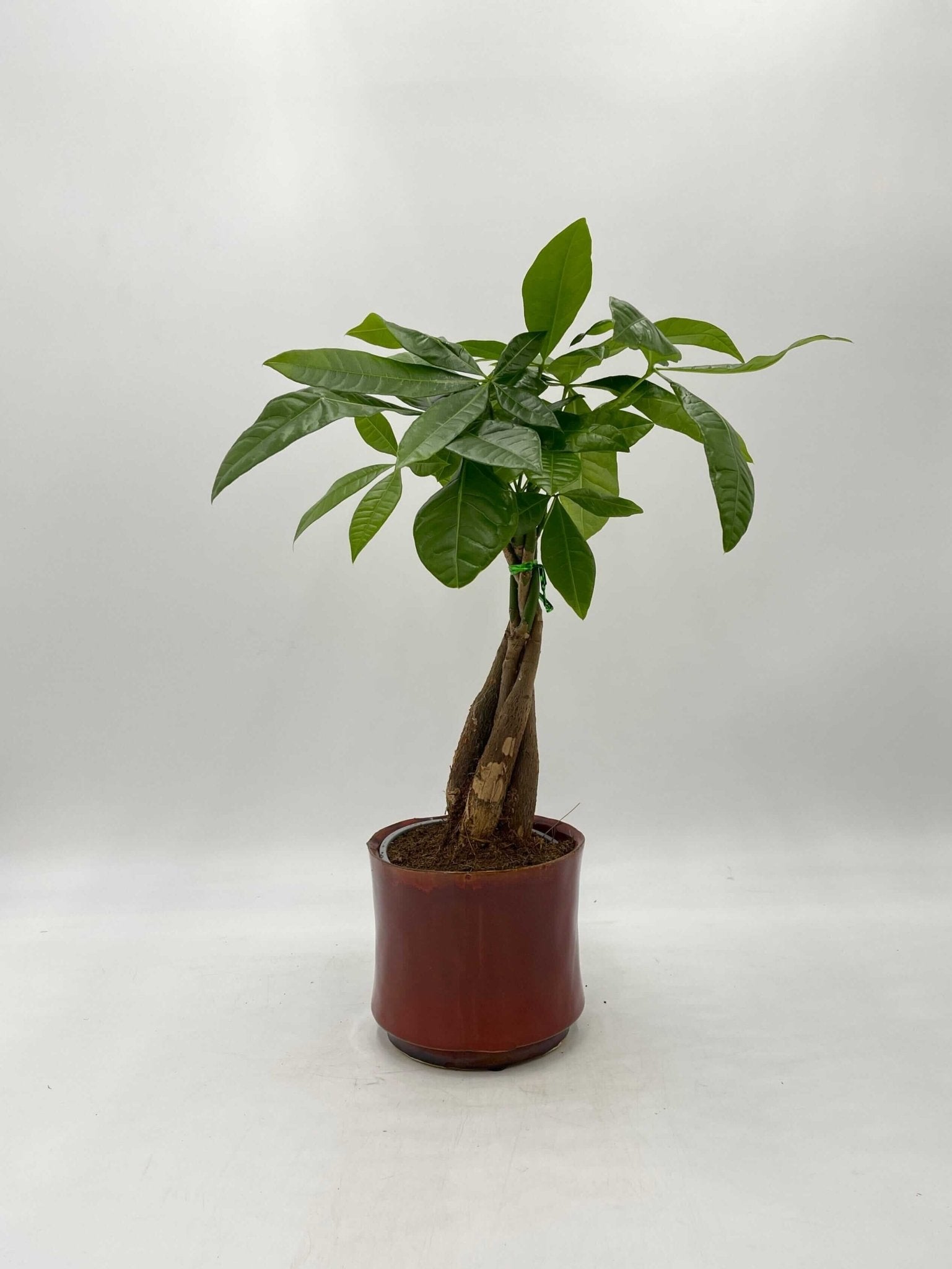
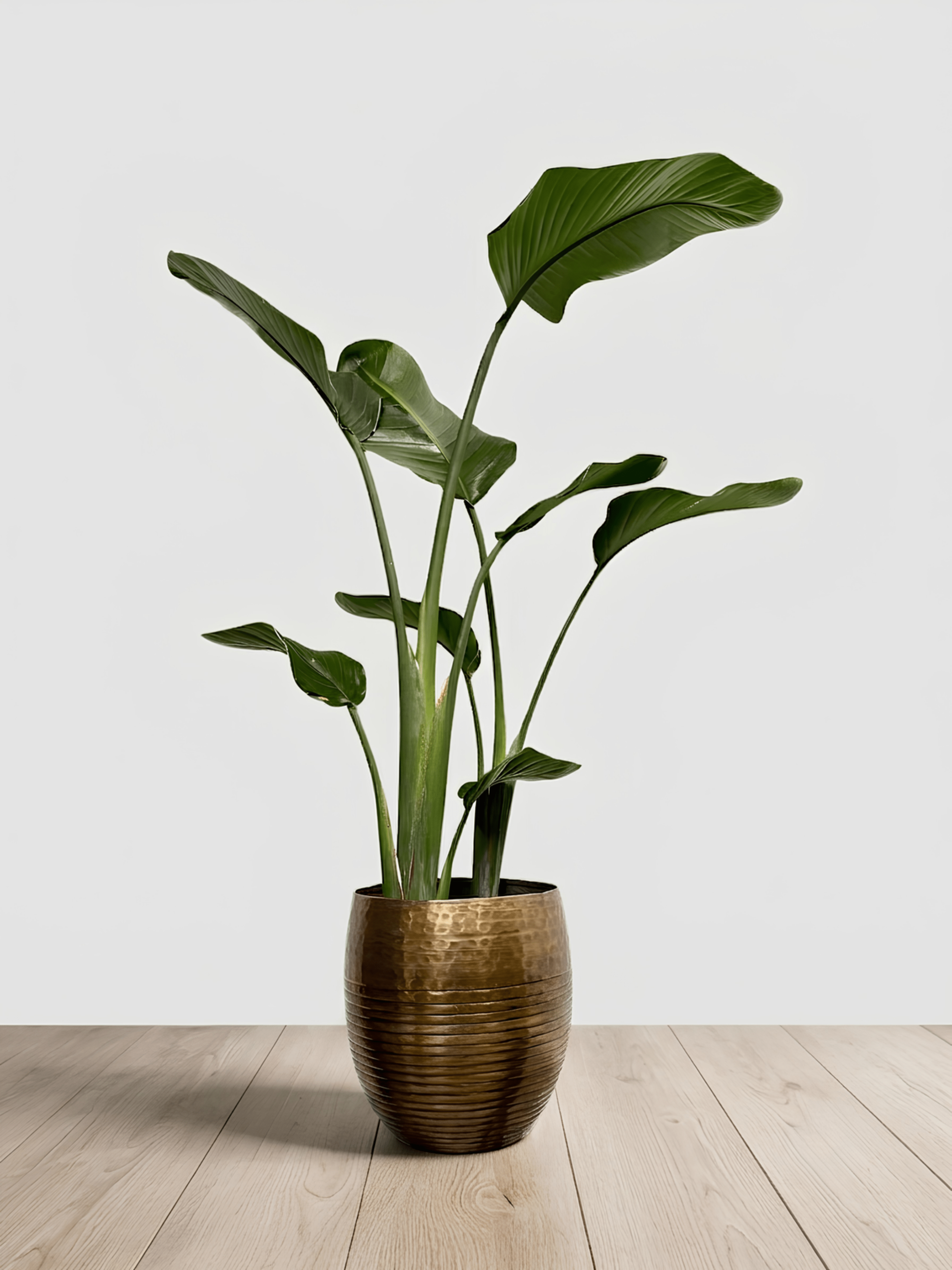
Feng shui, the ancient Chinese practice of arranging your environment to promote the positive flow of energy, places great emphasis on living plants to invite vitality, abundance, and calm into a space. Different plants carry different associations. Lucky Bamboo is one of the most universally recognised feng shui plants, believed to bring luck, prosperity, and flexible strength depending on how many stalks are arranged together. The Pachira Aquatica Money Tree, with its distinctive braided trunk, is traditionally associated with financial good fortune and positive energy flow, and makes one of the most popular housewarming gifts in the UK for exactly this reason.
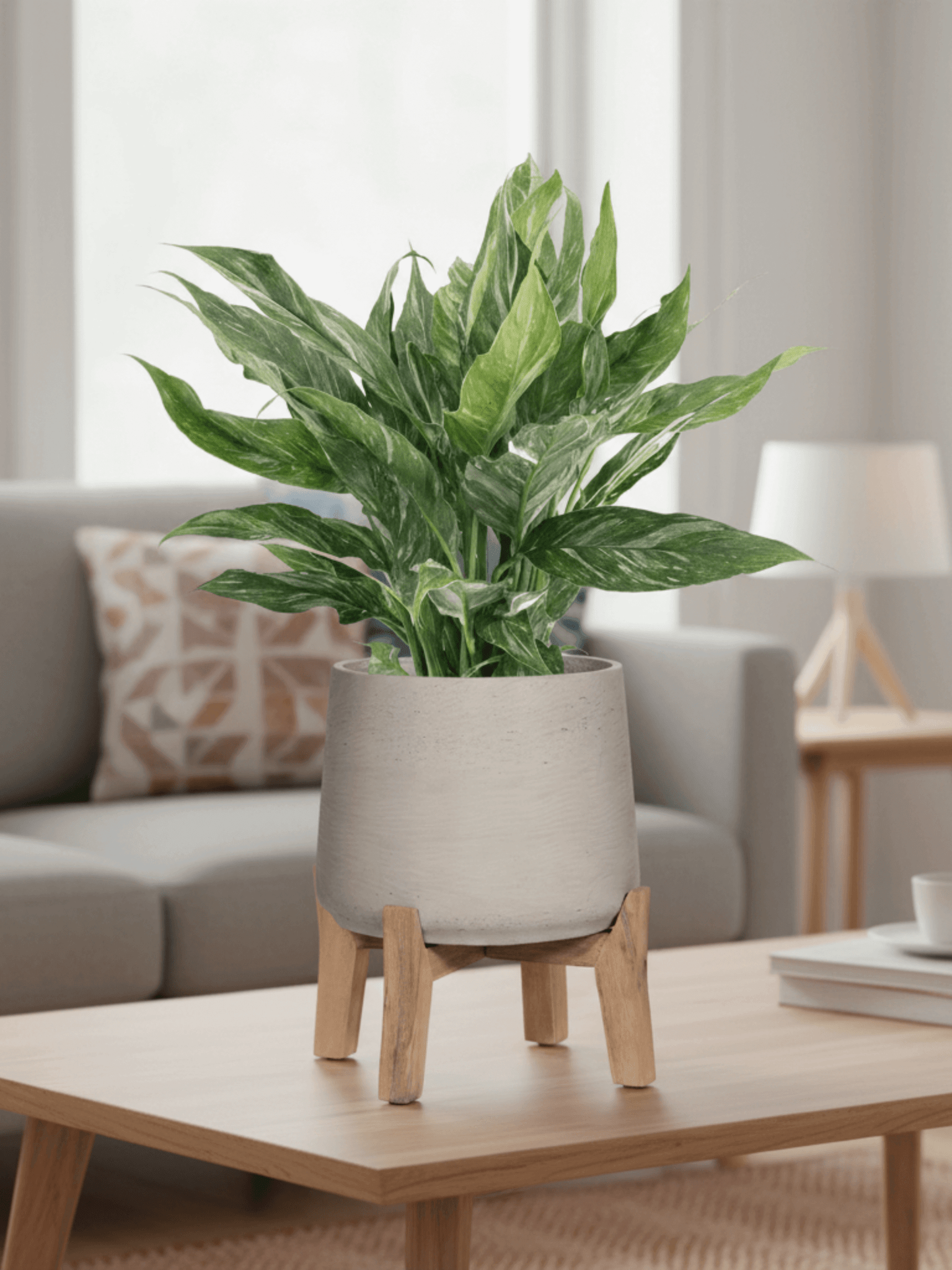
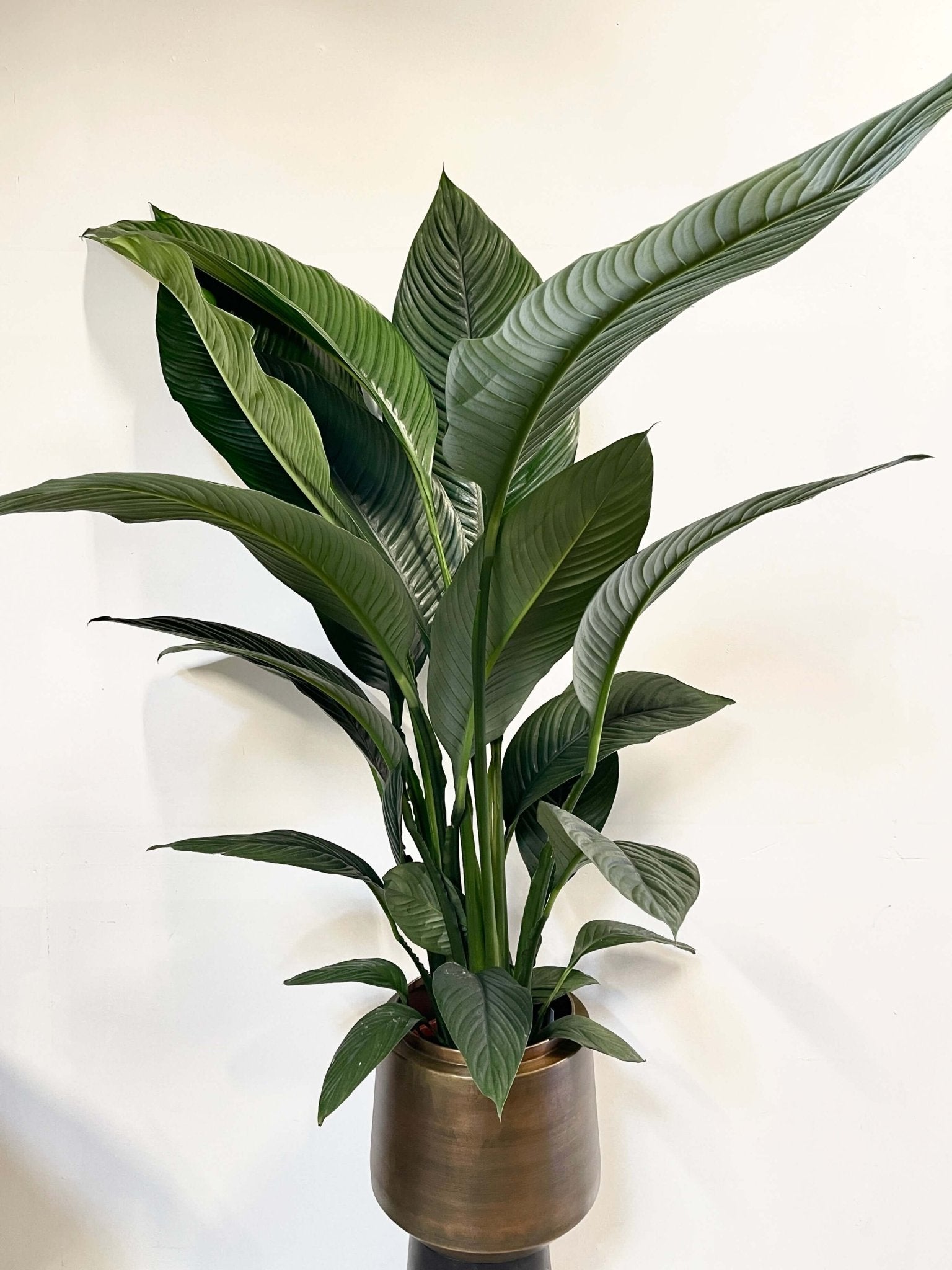
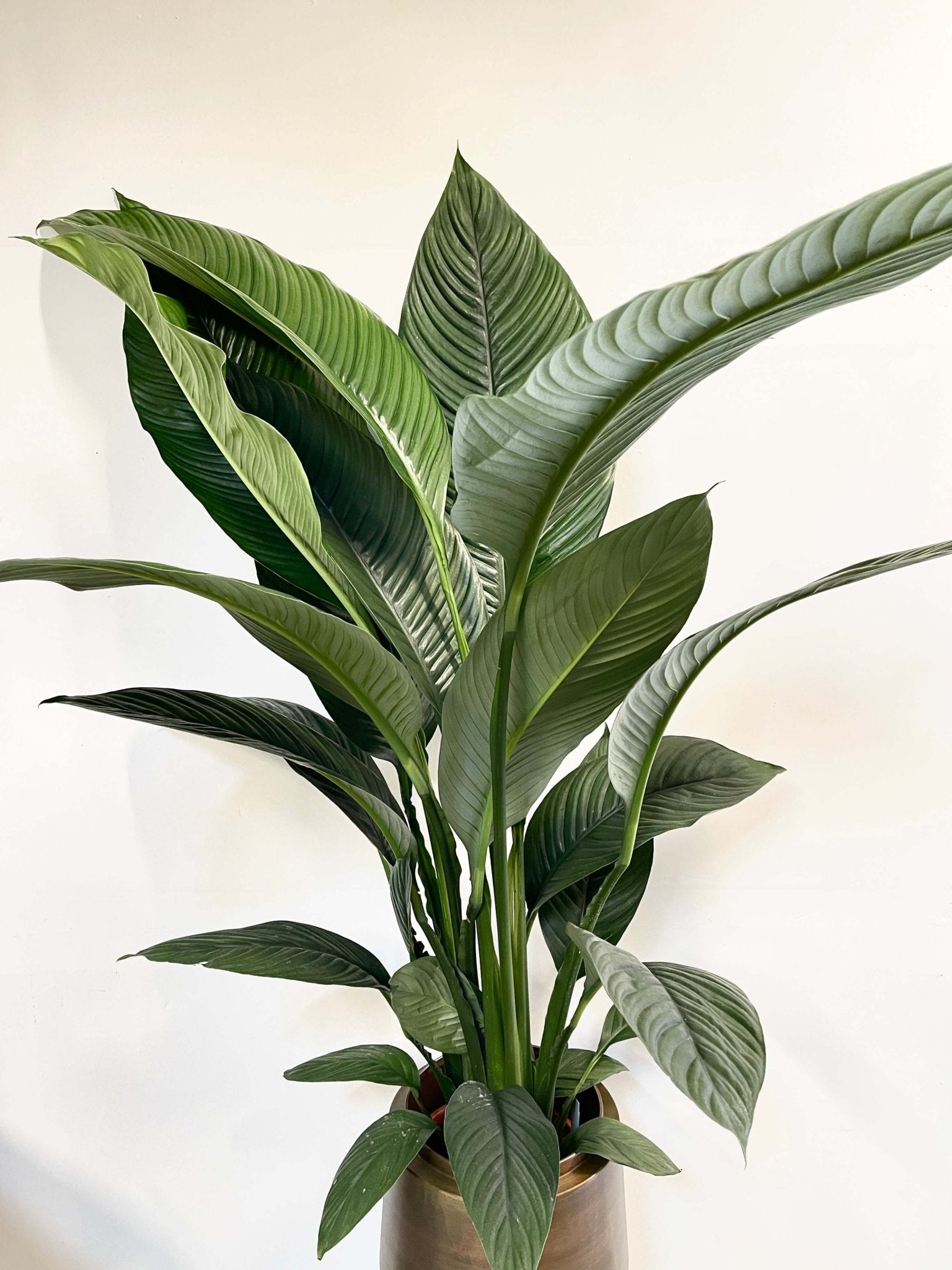
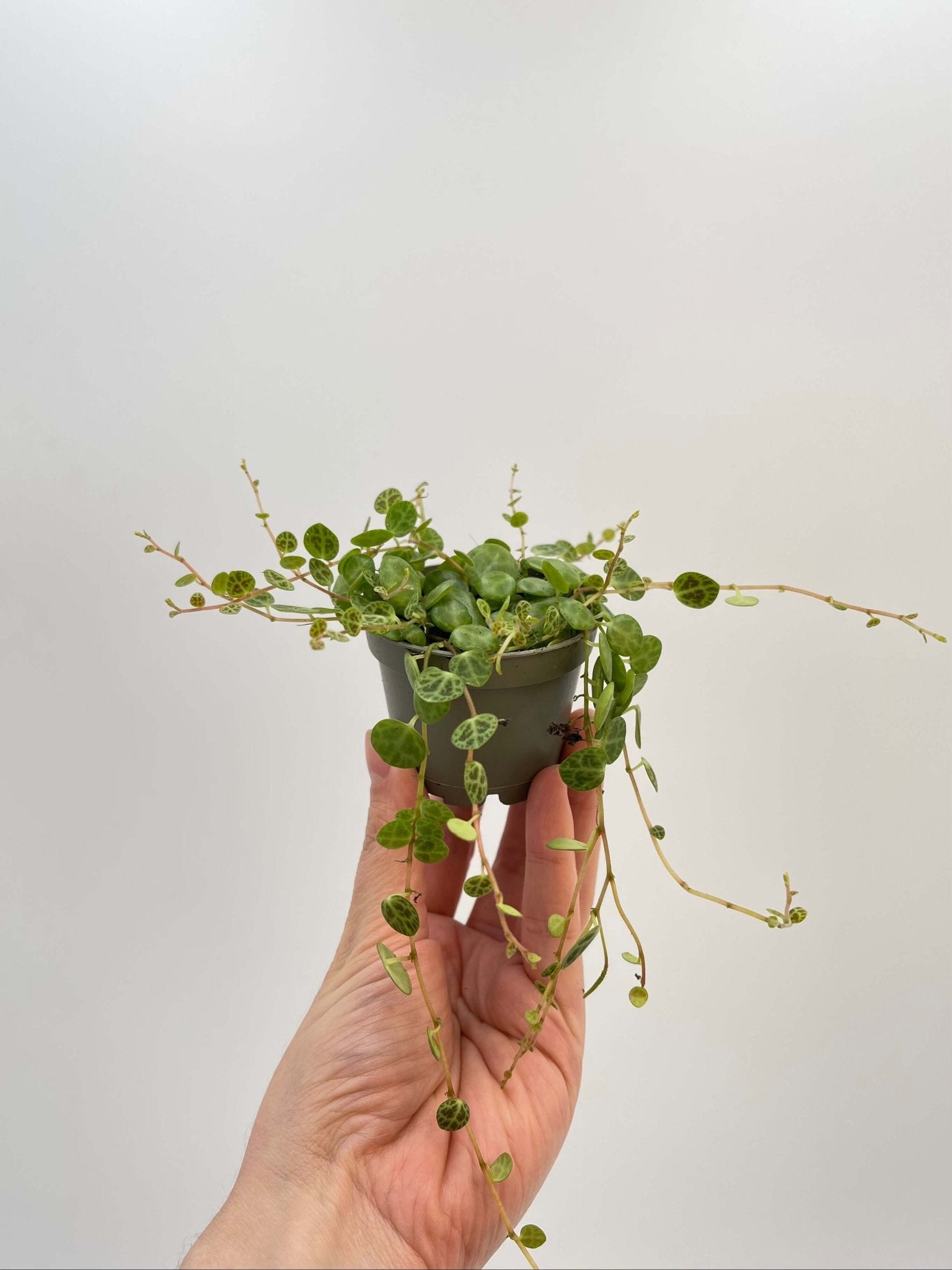
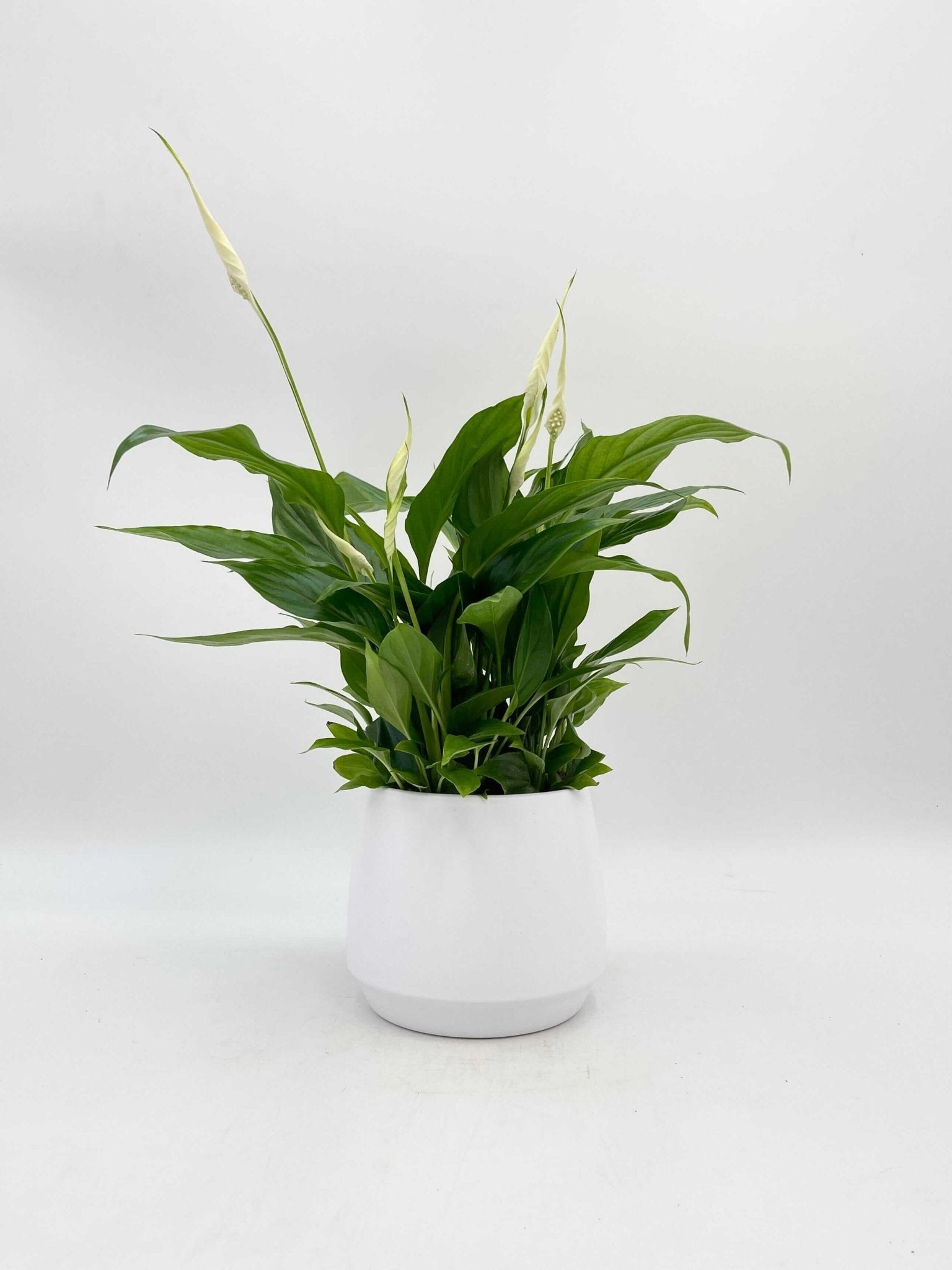
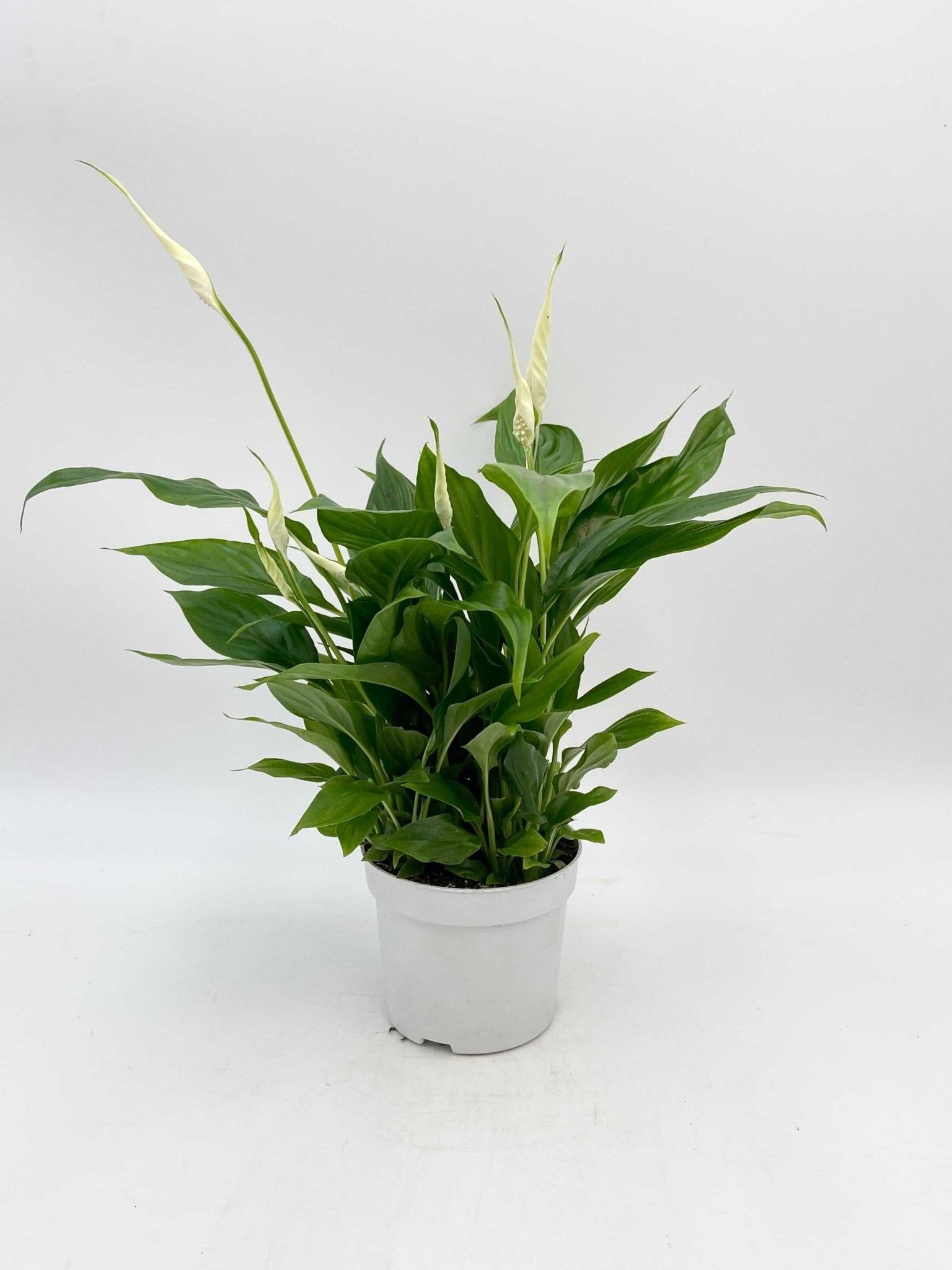
The Pilea peperomioides, commonly known as the Chinese Money Plant, is beloved for its coin-shaped leaves and its association with wealth and generosity. In feng shui tradition, it is often given as a gift rather than bought for oneself, making it a particularly thoughtful choice to pass on to someone whose new chapter deserves celebrating. The Peace Lily is considered a powerful purifier of both air and energy, bringing tranquillity and a sense of calm to any room it inhabits, and is one of the few flowering plants that thrive in lower light conditions, making it practical as well as meaningful.
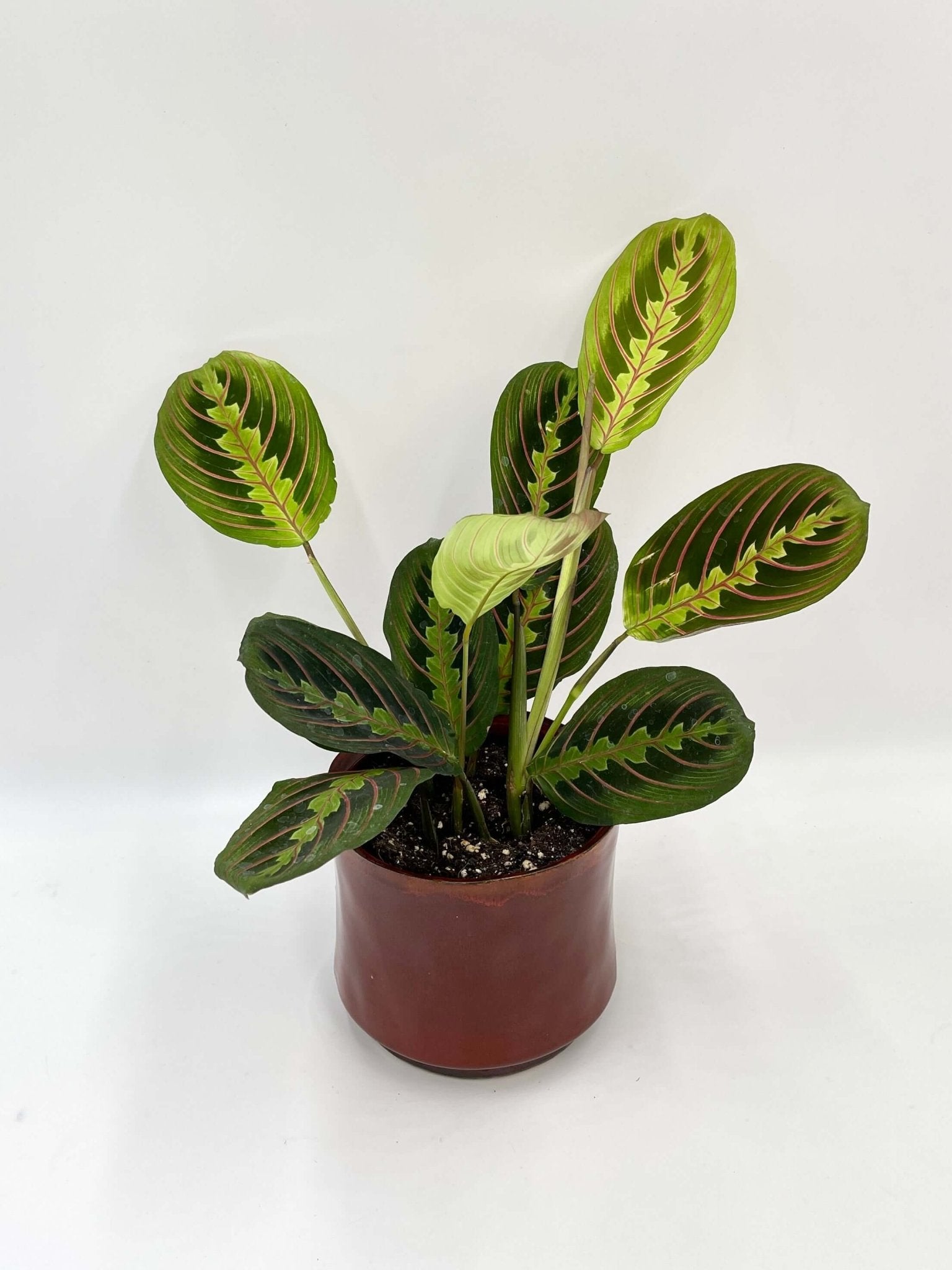
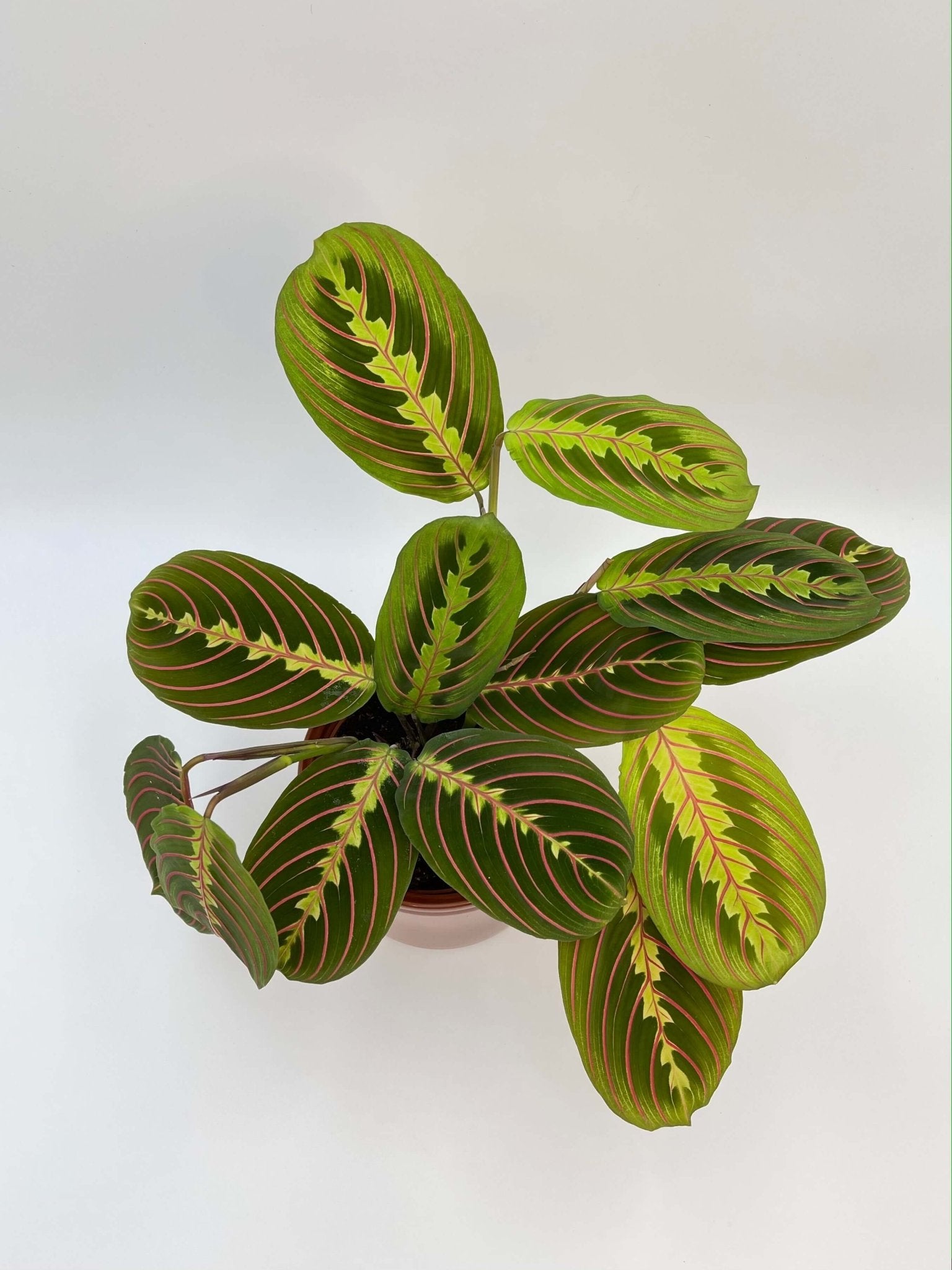
Beyond feng shui, plants like the Prayer Plant (Maranta) carry their own gentle symbolism; its leaves fold upward each evening like hands in prayer, a daily rhythm that many people find quietly grounding in a home environment.
Lucky Plants as Gifts
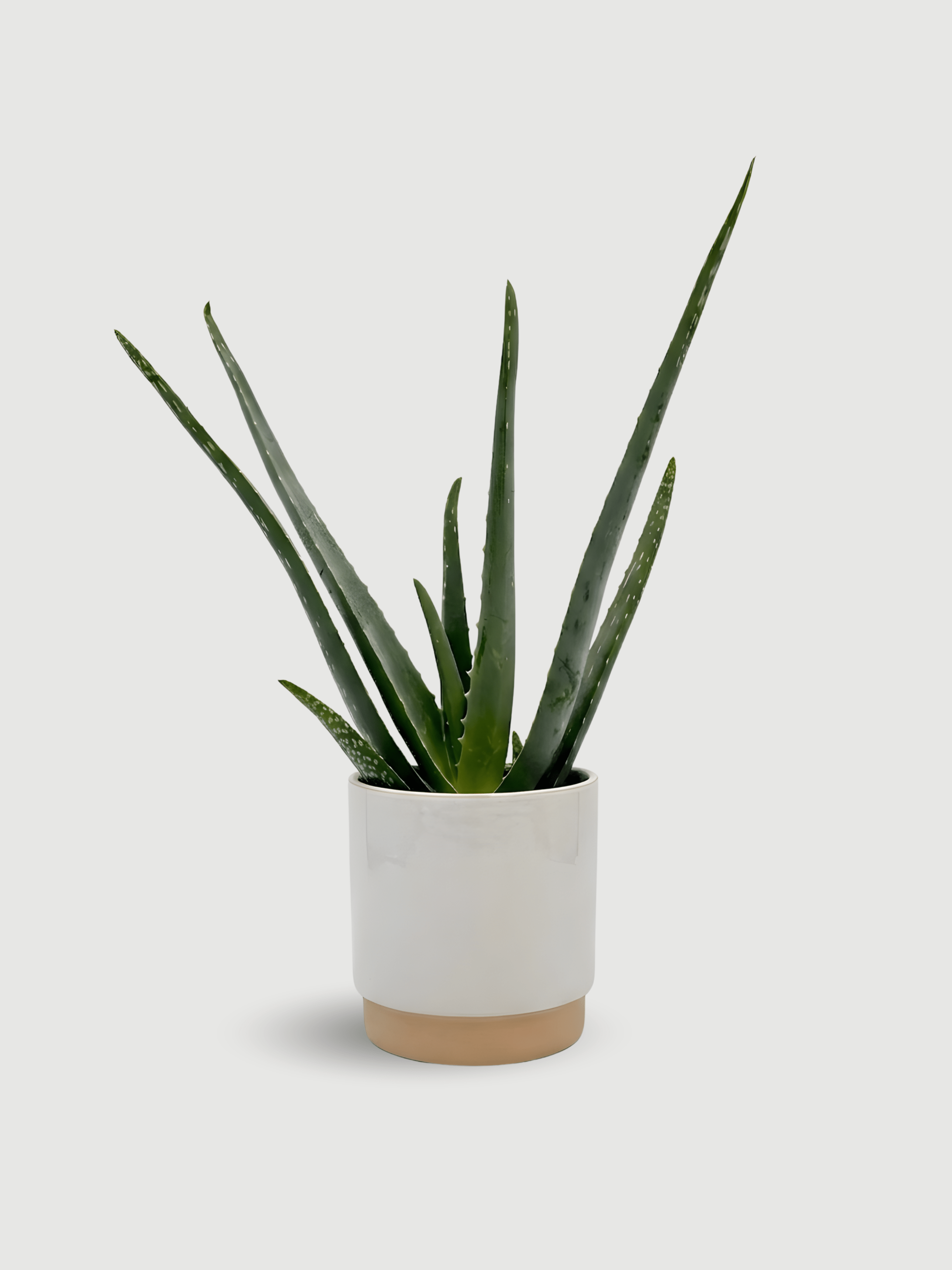
The lucky houseplants in this collection make some of the most meaningful gifts for new homes, life changes, birthdays, and occasions when you want to give something that carries intention as well as beauty. Lucky Bamboo in a glass vase or ceramic pot is a classic choice that suits almost any recipient. The Money Tree is a popular housewarming gift that signals well-wishing in a way that flowers simply cannot. For something a little more unusual, the Aloe Vera has long been associated with protection and healing, and pairs beautifully with a ceramic pot as a ready-to-display bundle.
Frequently Asked Questions
What is the Luckiest Plant to Have in Your Home?
Lucky Bamboo is widely considered the luckiest plant in feng shui tradition and is one of the most popular good fortune plants in the world. The number of stalks carries a specific meaning: three stalks are said to bring happiness, wealth, and long life; five stalks are associated with the five areas of life that influence wealth; and seven stalks are thought to bring good health.
Where Should I Place a Lucky Plant in My Home?
In feng shui, the southeast corner of a home or room is traditionally considered the wealth and abundance area, making it an ideal placement for Lucky Bamboo, the Money Tree, or the Chinese Money Plant. The entrance hallway is another important spot, as it governs the flow of energy into the home, and a healthy, thriving plant here creates an immediately welcoming, positive atmosphere. Peace Lilies are particularly well-suited to bedrooms and living rooms, where their calming energy and air-purifying qualities are most beneficial. Avoid placing lucky plants in bathrooms or areas with very poor light, as a struggling plant can have the opposite effect on a space's energy.
Are Lucky Houseplants Easy to Care For?
Most of the lucky houseplants in this collection are chosen in part because they are genuinely manageable for everyday UK home conditions. Lucky Bamboo grows happily in water or moist soil and tolerates lower light levels well. The Chinese Money Plant and the Money Tree both prefer bright indirect light and weekly watering, making them well-suited to most living rooms and home offices. The Peace Lily is one of the most forgiving indoor plants, thriving in low to medium light and clearly signalling when it needs water by drooping its leaves slightly. Full care information is available on each product page.
Are Lucky Plants Safe for Pets and Children?
Pet and child safety varies across this collection, so check each plant listing before purchasing for a home with animals or young children. Lucky Bamboo, the Money Tree, and the Prayer Plant are generally considered non-toxic to cats and dogs, while Peace Lilies are toxic to pets and should be kept out of their reach. The Chinese Money Plant is considered non-toxic. Full safety information is listed on each product page, and Rebel Plants' pet-safe plant collection covers all varieties confirmed safe for homes with animals.
Let customers speak for us
Lovely healthy plants. Arrived in excellent condition very well packaged.

Beautiful plant, very healthy and arrived well packed. I love it.

Wonderful plants and excellent service

Absolutely love them, ordered 2 and they both arrived exactly as I expected, very well packaged, fun and quirky plant that we’ll enjoy growing.
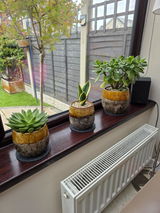
Great quality, heavy pot that completes my collection...up to now anyway until the plants grow out of them and need repotting. Matched up with others of various sizes and colour ( green)
Beautiful plant, well packaged and well cared for. Happy with my purchase, thank you


Surprised and delighted that the non-blooming option I chose turned out to be an orchid in full bloom! I have not noticed very much scent but I imagine that could be because the flowers are a little older. Absolutely beautiful regardless.

Fantastic healthy plants extremely well packaged. Would definitely buy again

Stunning..cant stop looking at it 🙂

Great design and lightweight.
I really love the colour combination

Arrived in perfect condition delighted with it
Arrived in perfect condition, several blooms and is putting more out by the day. Absolutely love.

Absolutely beautiful & fantastic plant, healthy and superb looking.
Especially ordered in for me - wouldn't hesitate to buy again from these lovely people.
A lovely looking plant

What customers think about the store
Highly praised for fast delivery, excellent packaging, and healthy plants. Customers love the quality of both plants and pots, noting vibrant colors and beautiful designs. Outstanding customer service with responsive, helpful communication. Wide selection of u...


