



Article: Snake Plant Care Guide: How to Grow a Healthy Snake Plant
Snake Plant Care Guide: How to Grow a Healthy Snake Plant
Looking for a houseplant that looks beautiful, takes up little space and doesn't demand constant attention? The snake plant is an excellent choice. With its striking upright leaves, architectural shape and forgiving nature, it's easy to see why this popular indoor plant has become a favourite in modern homes.
Whether you're a first-time plant owner or an experienced indoor gardener, learning how to care for a snake plant is simple. With the right amount of light, occasional watering and well-draining soil, your plant can thrive for years.
In this guide, we'll explain everything you need to know about snake plant care, from choosing the right location to watering, repotting, propagation and solving common problems.
What Is a Snake Plant?
The snake plant, commonly known as Sansevieria or mother-in-law's tongue, is a distinctive houseplant recognised by its firm, upright leaves. These leaves are often deep green with lighter green patterns, while some varieties feature attractive yellow or cream-coloured edges.
Snake plants are native to dry regions of Africa and other parts of the tropics. Their thick, fleshy leaves store water, allowing them to tolerate periods of drought much better than many other houseplants. You'll also see snake plants sold under the botanical name Dracaena trifasciata. This reflects a modern botanical reclassification of the familiar plant.
One of the biggest reasons people love snake plants is their adaptability. They can grow in a variety of indoor environments, from bright rooms with indirect sunlight to spaces with lower light levels. Their tall, sculptural appearance also makes them an excellent choice for living rooms, bedrooms, hallways, home offices and other areas where you want to add greenery without sacrificing too much floor space.
How to Care for a Snake Plant
Snake plants are relatively easy to maintain, but understanding their basic needs will help keep their leaves firm, healthy and attractive.
1. How Much Light Does a Snake Plant Need?
Snake plants are adaptable and can tolerate a range of lighting conditions. However, they generally grow best in bright, indirect light.
An ideal position is near a window where your plant receives plenty of natural daylight without prolonged exposure to intense midday sunshine.
Here is how different light conditions affect your snake plant:
-
Bright, indirect light: Ideal for healthy growth and maintaining attractive leaf markings.
-
Low light: Snake plants can tolerate shadier rooms, although growth may become slower.
-
Direct sunlight: Gentle morning sunlight may be beneficial, but strong afternoon sunshine through glass can scorch the leaves.
If your snake plant sits in a darker corner, don't expect rapid growth. Move it closer to a window if you want to encourage new leaves.
Rotate the pot occasionally so the plant grows more evenly rather than leaning towards the light.
2. How Often Should You Water a Snake Plant?
Overwatering is one of the most common mistakes when caring for a snake plant.
Because snake plants store moisture in their leaves, they need much less frequent watering than many tropical houseplants. Their roots prefer to dry out between waterings.
As a general guide, you may need to water every two to four weeks during warmer, brighter months. In winter, watering may be needed less frequently. However, these are only estimates: the actual schedule depends on light, temperature, pot size and soil.
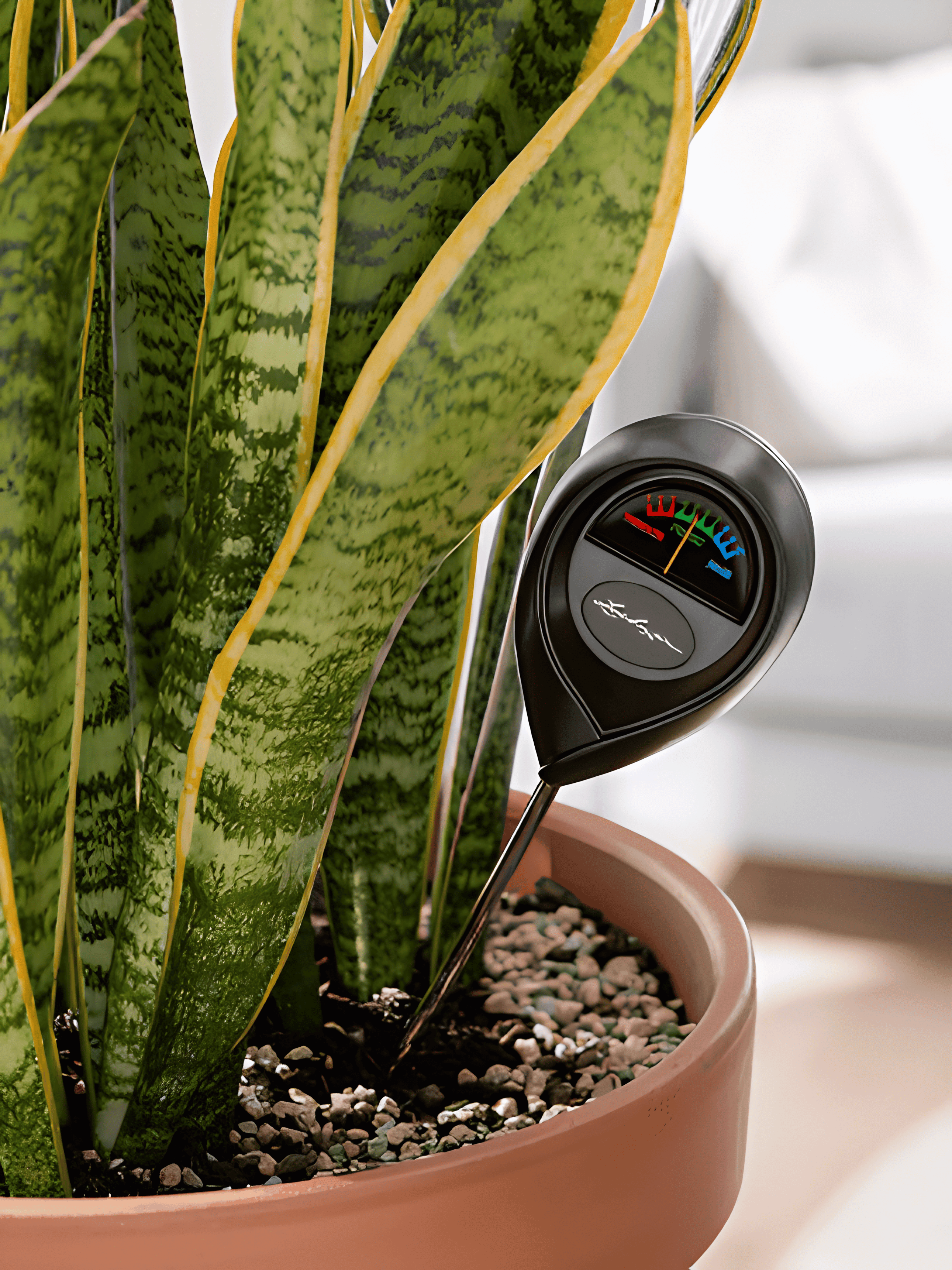
The best way to know when to water is to check the compost rather than follow a fixed timetable.
Follow these simple watering steps:
-
Check the compost with your finger. Allow it to dry out thoroughly before watering again.
-
Water the soil evenly, allowing excess water to drain through the bottom of the pot.
-
Empty any collected water from the saucer or decorative outer pot.
-
Reduce watering during winter when growth naturally slows.
Never leave your snake plant sitting in water. Persistently wet soil can deprive the roots of oxygen and cause root rot.
If you're unsure whether your plant needs water, waiting a little longer is generally safer than watering too soon.
3. What Is the Best Soil for a Snake Plant?
Snake plants need soil that drains freely and doesn't remain wet for long periods.
A standard houseplant compost can sometimes hold too much moisture, especially in a cool room or a pot without drainage holes.
A cactus and succulent compost is a good option because it is designed to provide better drainage. You can also improve a suitable potting mix by adding materials such as horticultural grit or perlite.
When choosing soil, look for a mix that:
-
Drains easily after watering.
-
Allows air to reach the roots.
-
Doesn't remain soggy for extended periods.
-
Provides enough support to keep the plant upright.
Good drainage is particularly important during winter, when snake plants use less water.
4. What Is the Best Pot for a Snake Plant?
Choosing the right pot is just as important as choosing the right soil.
Snake plants prefer a pot that fits their root system without leaving excessive amounts of compost around the roots. A pot that is much too large can retain unnecessary moisture and increase the risk of root rot.
For best results, choose a container with drainage holes and enough room for the roots to develop.
The material also makes a difference. Terracotta pots are porous and can help compost dry out more quickly, while ceramic and other decorative pots offer a wide range of colours, textures and finishes.
If you prefer a decorative pot without drainage holes, keep your snake plant in a separate nursery pot with drainage and remove it for watering. Allow it to drain fully before placing it back inside.
At Rebel Plants, you can explore our range of plant pots to find a style that complements your snake plant and your interior.
5. What Temperature Does a Snake Plant Need?
Snake plants are comfortable in typical indoor temperatures and generally grow well between 15°C and 24°C.
They don't require high humidity, making them suitable for most homes without special equipment or regular misting.
To keep your plant comfortable:
-
Avoid cold draughts and sudden temperature changes.
-
Keep it away from very cold windows during winter.
-
Avoid placing it directly beside a radiator or other strong heat source.
-
Keep temperatures above approximately 10°C.
Snake plants are usually grown indoors in the UK because they cannot tolerate frost. If you move yours outside during warm weather, bring it back indoors before temperatures drop.
6. Does a Snake Plant Need Fertiliser?
Snake plants aren't particularly demanding when it comes to feeding.
During spring and summer, when the plant is actively growing, you can use a balanced liquid houseplant fertiliser or a suitable cactus fertiliser according to the product instructions.
Feeding approximately once a month during the growing season is often sufficient. Reduce or stop feeding during winter when growth slows.
Avoid applying too much fertiliser, as excess nutrients can damage roots and cause an accumulation of salts in the compost.
If your plant is growing well and producing healthy leaves, there is no need to feed it excessively.
Why Are Snake Plants So Popular?
Snake plants are valued for more than their easy-care nature. Their distinctive shape, varied leaf patterns and versatility make them a practical choice for many interior styles.
A Low-Maintenance Houseplant
If you sometimes forget to water your plants, a snake plant could be a good option. Its drought tolerance means it can cope with occasional missed watering, provided it isn't kept in persistently wet soil.
A Stylish Addition to Your Home
The upright leaves create height and visual interest without spreading widely across a room. A snake plant can work well beside a sofa, in an empty corner, next to a desk or as part of a collection of indoor plants.
Suitable for Different Rooms
Snake plants can adapt to different indoor environments, including living rooms, bedrooms and offices. Just remember that a room with very little natural light may slow growth considerably.
A Choice of Shapes and Colours
From tall, sword-shaped leaves to shorter, compact varieties, snake plants offer plenty of variety. Different cultivars feature green stripes, silvery patterns and yellow leaf margins, making it easy to find a plant that suits your taste.
Different Types of Snake Plants
Although many people picture one familiar green-and-yellow plant when they think of a snake plant, there are several interesting varieties to explore.
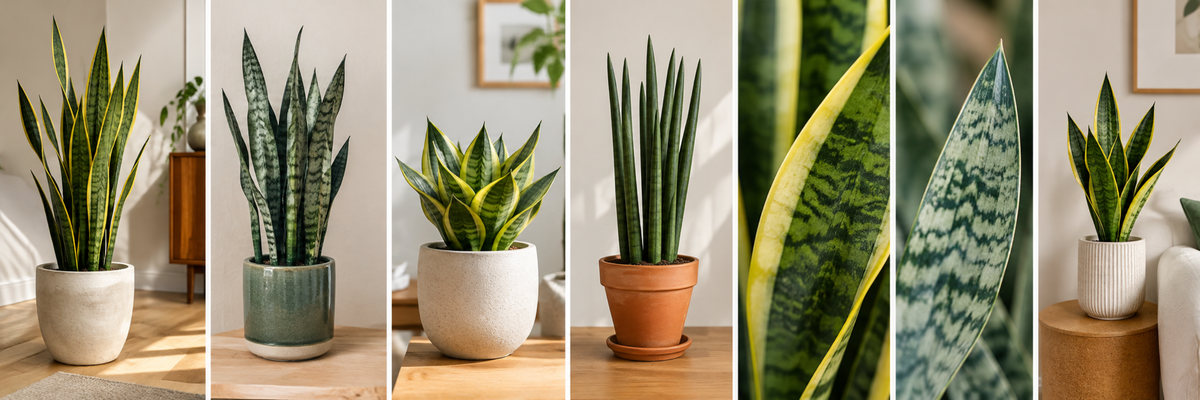
Sansevieria Laurentii
Laurentii is one of the best-known snake plant varieties. It has tall, upright green leaves with distinctive yellow edges, creating a bold contrast that looks particularly striking in a simple decorative pot.
Sansevieria Zeylanica
This variety features elongated leaves with attractive grey-green and dark green markings. Its more understated colour palette works well in contemporary and minimalist interiors.
Bird's Nest Snake Plant
Often associated with the cultivar 'Hahnii', the bird's nest snake plant has a compact, rosette-shaped growth habit rather than tall, vertical leaves. It is a good choice for desks, shelves and smaller spaces.
Cylindrical Snake Plant
As its name suggests, this type has rounded, cylindrical leaves that grow upwards. Its unusual form gives it a distinctive architectural appearance.
When choosing a variety, consider how much space you have, the overall look you want and the light available in your home.
How to Repot a Snake Plant
Snake plants grow relatively slowly and don't need frequent repotting. In fact, they can often remain in the same container for several years.
Consider repotting when the roots have filled the pot, the container begins to buckle or the plant becomes unstable.
Follow these steps:
-
Choose a new pot only slightly larger than the current one.
-
Prepare a free-draining cactus or succulent compost.
-
Carefully remove the plant from its old container, taking care not to damage the roots.
-
Place it in the new pot at the same depth as before.
-
Fill around the roots with fresh compost without compacting it too tightly.
-
Allow the plant to settle and avoid keeping the new compost excessively wet.
A pot with adequate drainage is essential. Repotting into a container that is much larger than the root system can make it harder to manage soil moisture.
How to Propagate a Snake Plant
Propagating a snake plant is a rewarding way to grow new plants from an existing one. There are two common methods.
Propagation by Division
Division is often the simplest way to propagate a mature snake plant.
When repotting, look for natural clusters of leaves with their own roots. Carefully separate these sections, ensuring each division has healthy roots and leaves.
Plant each section in its own container with free-draining compost and care for it as you would a mature plant.
This method is particularly useful when your snake plant has produced several new shoots around its base.
Propagation from Leaf Cuttings
You can also propagate some snake plants using leaf cuttings.
Cut a healthy leaf into sections, keeping track of which end originally pointed downwards. Allow the cut surfaces to dry briefly before placing the lower end of each section into a suitable propagation mix.
Keep the mix lightly moist rather than saturated and place the cuttings somewhere warm with bright, indirect light.
Rooting can take time, so patience is important. Also, leaf cuttings from some variegated varieties may produce plants without the original yellow or cream markings.
Common Snake Plant Problems and How to Fix Them
Even a hardy houseplant can develop problems if its growing conditions aren't quite right. The good news is that most snake plant issues can be traced to a few common causes.
Why Are My Snake Plant Leaves Turning Yellow?
Yellow leaves can indicate overwatering, especially when the compost remains wet for long periods.
Check the soil and drainage holes. If the compost is consistently soggy, allow it to dry and assess the roots for signs of rot. Soft, damaged roots may need to be removed before repotting into fresh, free-draining compost.
Occasional older leaves turning yellow can also be part of the plant's natural ageing process.
Why Are My Snake Plant Leaves Turning Brown?
Brown patches or dry tips may result from inconsistent watering, intense direct sunlight or physical damage.
Check whether the plant is receiving strong afternoon sun and whether the compost is staying too wet or becoming completely dry for prolonged periods.
Trim damaged sections with clean scissors if desired, but avoid removing healthy leaves unnecessarily.
Why Are My Snake Plant Leaves Falling Over?
If the leaves become soft, collapse or lean dramatically, inspect the roots and compost first. Overwatering and root rot are possible causes.
A plant that is growing towards a window may simply need to be rotated or moved to a brighter position.
If the plant has outgrown its container or become unstable, repotting may also help.
Why Is My Snake Plant Not Growing?
Slow growth is normal for snake plants, particularly in winter.
If your plant hasn't produced new leaves for a long time, consider whether it receives enough light. Very low light, cool temperatures and a lack of active growing conditions can all slow development.
Move it to a brighter position with indirect light and maintain sensible watering habits. Don't try to force growth with excessive fertiliser or water.
Are Snake Plants Safe for Pets?
Snake plants are considered toxic to cats and dogs if ingested. They contain compounds called saponins that can cause gastrointestinal irritation.
Possible symptoms include nausea, vomiting and diarrhoea.
If you have curious pets or young children, position your plant somewhere they cannot easily reach. If you suspect a pet has eaten part of a snake plant and develops symptoms, contact your vet for advice.
Frequently Asked Questions About Snake Plants
Are snake plants easy to care for?
Yes. Snake plants are among the more forgiving houseplants because they tolerate lower light levels and can store water in their leaves. The main thing to avoid is overwatering.
Can snake plants grow in low light?
Yes, snake plants can tolerate low-light conditions, but they usually grow more slowly in darker locations. Bright, indirect light is generally better for maintaining healthy growth.
How often should I water a snake plant in winter?
Water less frequently during winter because growth slows and the compost takes longer to dry. Always check the soil before watering rather than following a fixed schedule.
Do snake plants need drainage holes?
Drainage holes are strongly recommended. They allow excess water to escape and help prevent waterlogged compost, which can cause root rot.
Do snake plants flower?
Yes, mature snake plants can occasionally produce clusters of small, fragrant flowers. However, flowering is relatively uncommon when they are grown indoors.
How fast do snake plants grow?
Snake plants are generally slow-growing houseplants. Their growth rate depends on the variety, light levels, temperature and overall care.
Are snake plants suitable for bedrooms?
Yes, snake plants can grow well in bedrooms as long as the room has suitable light and temperatures. However, they should be kept out of reach of pets that may chew the leaves.
Are snake plants good for beginners?
Absolutely. Their drought tolerance, adaptable nature and relatively modest care requirements make them a practical choice for people who are new to houseplants.
Find Your Snake Plant at Rebel Plants
A snake plant is a wonderful way to introduce greenery into your home without taking on a demanding plant-care routine. With its distinctive upright leaves, range of varieties and ability to tolerate periods of dry soil, it's an excellent choice for both beginners and experienced plant enthusiasts.
Whether you're looking for a tall statement plant for your living room, a compact variety for your desk or an easy-care addition to your indoor plant collection, there is a snake plant to suit many different spaces.
Explore the Rebel Plants snake plant collection to discover available Sansevieria varieties and find the right plant for your home.
Pair your new plant with a pot that complements its shape and foliage, choose a bright spot with indirect light, and remember the golden rule of snake plant care: let the compost dry before watering again.
With a little attention and the right conditions, your snake plant can remain an attractive feature in your home for years to come.


