



Spring Care Tips for Indoor Plants
Spring Care Tips for Indoor Plants: Your UK Guide to a Blooming Season 🌿
Spring is finally here, and your houseplants know it. As the days lengthen and light floods back through UK windows, something quietly remarkable happens: your plants wake up. After a slow, low-light winter, they're ready to grow, push out new leaves, and absolutely thrive. But to make the most of this growth spurt, they need a little help from you.
Whether you're a seasoned plant parent or just starting to build your indoor jungle, spring care for indoor plants in the UK is one of the most rewarding things you can do. The right adjustments, watering, feeding, and repotting, can set your plants up for their best year yet. Here's everything you need to know.
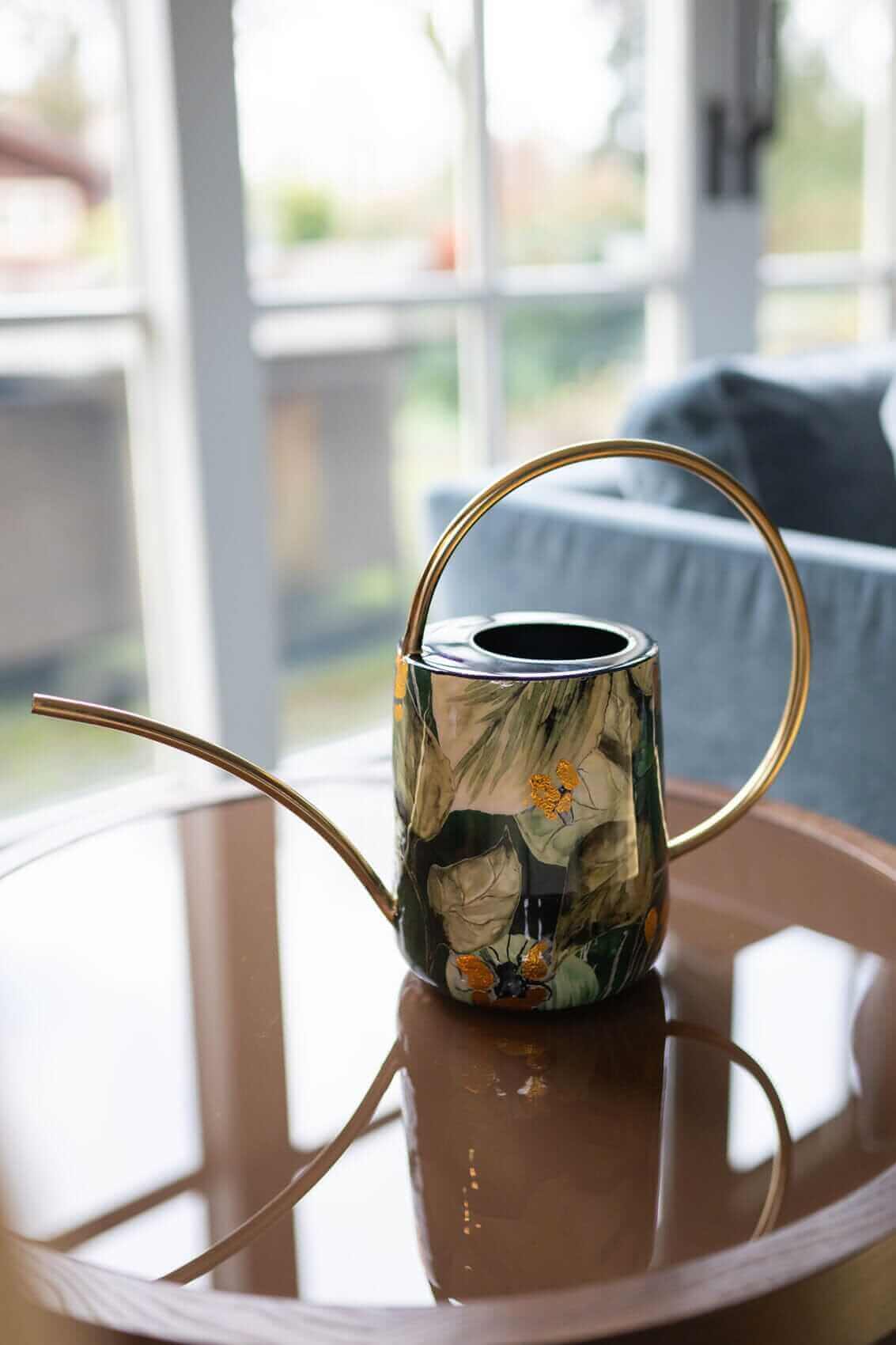
1. Increase Watering, but Don't Overdo It
How often should I water indoor plants in spring in the UK?
As temperatures rise and daylight hours increase, your plants' metabolisms kick up a gear. That means they'll drink more. If you've been watering once a week through winter, spring might call for every five days or more for thirstier species like peace lilies, calatheas and fittonias.
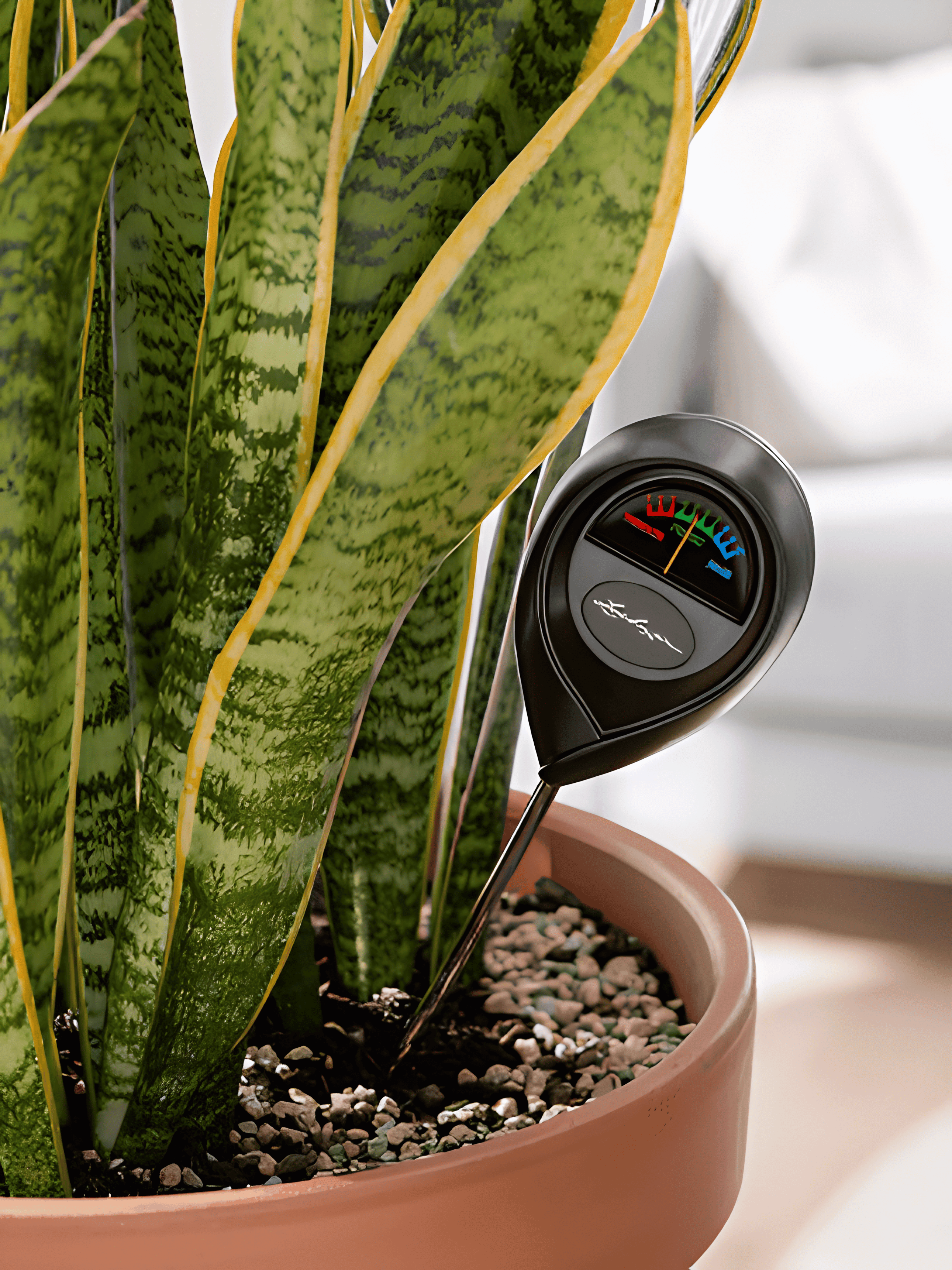
But here's the main rule: always check before watering. Push your finger an inch into the soil. If it feels dry, water thoroughly. If it's still damp, wait another day or two. Overwatering remains the number one killer of houseplants in the UK, especially in homes that are still warming up in early spring.
Quick watering tips for spring:
- Water in the morning when possible so that plants can absorb moisture throughout the day
- Use room-temperature water; cold tap water can shock roots
- Empty your decorative plant pot after a couple of minutes to prevent root rot
Explore our plant care essentials for houseplants and orchids here.
2. Refresh Your Plant's Soil
If your plants have been sitting in the same potting mix for a year or more, spring is the perfect moment for a soil refresh. Over time, standard compost compacts, loses nutrients, and can start to hold too much moisture, which spells trouble for roots.
Why Soil Alternatives Are Worth Considering?
At Rebel Plants, we're big believers in modern soil alternatives that go beyond the bag of compost from the garden centre. Think perlite, coco coir, worm casting, bark mixes, and clay pebble materials that offer:
- Better drainage so roots don't sit in water
- Improved aeration for healthy root development
- A cleaner, more sustainable option for homes where pets or children are around
- Longer-lasting structure that doesn't compact over time
Even if you're not repotting, scratching the top layer of soil and topping up with fresh mix makes a real difference to your plant's spring performance.
Discover our specialist potting mixes here and find the right mix for your collection, whether you're growing monstera, succulents, or statement plants.
3. Repotting & Upgrading Your Pots
Spring is the repotting Season, and for good reason. Roots need room to grow, and a plant that's become pot-bound (roots circling the bottom or poking out of drainage holes) will struggle to hit its potential no matter how well you care for it.
When Should You Repot an Indoor Plant?
Repot when you notice:
- Roots escaping from the drainage holes
- The plant is drying out unusually quickly after watering
- Slow or stunted growth despite good care
- The pot is visibly straining at the seams
Go up one pot size, usually around 2–5cm larger in diameter. A too-big jump can lead to waterlogged soil, which is just as problematic as being root-bound.
Make It a Style Moment
Here's the thing: repotting isn't just maintenance, it's an opportunity. Spring 2026 is all about earthy tones, textured ceramics, and sculptural shapes that make plants feel like intentional design choices rather than afterthoughts. Shop our stylish indoor plant pots here, from minimalist concrete to hand-glazed ceramics and turn repotting into a full refresh for your space.
4. Feed Your Plants
After a winter of minimal growth, your plants' soil is likely depleted of the nutrients they need to perform. Enter: spring feeding. Start fertilising once a month from March, moving to every two to three weeks by May as growth accelerates. Look for a balanced liquid fertiliser with equal parts nitrogen, phosphorus, and potassium (NPK). This supports healthy leaves, strong roots, and resilient plants overall.
Feeding tips:
- Always water your plant before feeding, never fertilise dry soil, as it can burn roots
- Less is more; dilute liquid feeds slightly below the recommended dose to start
- Don't fertilise newly repotted plants for 4–6 weeks, as fresh soil contains nutrients already
Explore our plant care essentials here, including feeds and fertilisers to keep your collection in peak condition all Season.
5. Light & Positioning: Making the Most of UK Spring Days
One of the most noticeable changes in spring across the UK is the light. By April, we'll gain roughly 3 extra hours of daylight compared to December, and your plants will absolutely notice.
Repositioning for Spring:
- Move light-hungry plants (think cacti, succulents, ficus) closer to south or west-facing windows
- Be cautious of direct midday sun through glass, which can scorch leaves, especially on shade-tolerant varieties
- Rotate your pots a quarter turn every week or two so all sides receive even light. This prevents lopsided growth and encourages a fuller, more symmetrical plant
UK-Specific Note
In the UK, even spring light can be inconsistent; a cloudy April week doesn't mean your plants have stopped growing. Trust the process, keep them near the brightest spot available, and avoid the temptation to move them every few days as the weather changes.
6. Spring Clean Your Plants
Before the growth season really kicks in, give your plants a proper once-over. This is both cosmetic and practical.
Dust Off Those Leaves
Dusty leaves block light absorption, which matters more in spring when you want every photon working hard. Wipe leaves gently with a damp cloth or use a soft brush for delicate foliage. It's a surprisingly satisfying ritual.
Check for Pests
Spring warmth can trigger pest explosions that were lying dormant through winter. Catching these early makes treatment straightforward. Look closely at:
- Undersides of leaves for spider mites or aphids
- Leaf joints and new growth for mealybugs
- Soil surface for fungus gnats
7. Bring in Something New 🌿
Spring is the Season of fresh starts, and there's no better time to add to your collection. Whether you're filling a sunny windowsill, styling a shelf, or looking for a gift that actually lasts, a new plant is the most alive thing you can bring into your home.
Statement Indoor Plants
Looking to make a real impact? Think large-leafed tropicals, trailing beauties, or sculptural succulents. Explore our full range of indoor plants here, curated for design-conscious homes across the UK.
Orchids: Effortlessly Stylish, Surprisingly Easy
Orchids have a reputation for being tricky, but modern Phalaenopsis varieties are genuinely low-maintenance once you understand their rhythm. They're also one of the most elegant additions to any room and make an exceptional gift for a birthday, housewarming, or just because. Find stunning, unique orchids here at Rebel Plants, varieties you won't find on a supermarket shelf.
Wrapping Up: Your Spring Plant Care Checklist
Spring doesn't need to feel complicated. Here's a quick summary to keep your indoor plant care on track this Season:
- ✅ Gradually increase watering as temperatures rise, but always check the soil first
- ✅ Refresh or replace tired potting mix for better drainage and nutrition
- ✅ Repot root-bound plants into a slightly larger container
- ✅ Start a regular feeding routine from March onwards
- ✅ Reposition plants to make the most of improving UK daylight
- ✅ Clean leaves and check for pests before growth accelerates
- ✅ Treat yourself to something new — your space deserves it
Spring is one of the most exciting times to be a plant parent. With a few thoughtful tweaks, your collection can go from surviving to absolutely flourishing. Ready to refresh your plants and your space? Explore everything at Rebel Plants: indoor plants, orchids, pots, soil alternatives, and plant care essentials, all chosen with design and quality in mind.
Frequently Asked Questions: Spring Indoor Plant Care UK
How often should I water indoor plants in spring in the UK?
Most indoor plants need watering every 5–7 days in spring, but this varies by plant type, pot size, and your home's temperature. Always check the top inch of soil before watering; if it's dry, it's time to water. If it's still moist, wait.
When is the best time to repot indoor plants in the UK?
March to May is ideal. Spring's increasing light and warmth help plants recover quickly after repotting. Avoid repotting in winter when plants are dormant, and growth is slow.
What's the best soil for indoor plants in the UK?
It depends on the plant, but many houseplants benefit from well-draining mixes rather than standard multipurpose compost. Mixes containing perlite, bark, or coco coir offer better aeration and drainage.
Should I fertilise my houseplants in spring?
Yes, spring is the best time to start feeding. Begin with a balanced liquid fertiliser once a month in March and increase frequency as growth picks up through April and May. Always water before feeding to protect roots.
Why are my indoor plant leaves turning yellow in spring?
Yellow leaves in spring are often caused by overwatering (especially if the soil hasn't dried out from winter), insufficient light, or a nutrient deficiency. Check your watering routine first, then consider whether your plant needs a feed or a brighter spot.
Got a question about your plants, or just want to show off your spring shelfie? We'd love to hear from you. Find us at info@rebelplants.co.uk and happy growing! 🌿