


Filters



Air Purifying Plants | Best Indoor Plants for Clean Air
Air purifying plants that UK homes benefit from most are also some of the most beautiful and easy-to-care-for houseplants you can own. The Snake Plant, Peace Lily, Pothos, Aloe Vera, Spider Plant, and Rubber Plant have all been shown to absorb airborne toxins and contribute to healthier indoor environments. Every one of them thrives in the conditions typically found in a British home. Whether you are creating a calmer bedroom, a more productive home office, or simply want your living room to feel fresher and more alive, this collection brings together the plants most likely to make a genuine difference. Rebel Plants is based in London and delivers UK-wide, so your air purifying plants can be with you quickly and in excellent condition.
Do Air Purifying Plants Actually Work?
The idea that houseplants can clean indoor air gained widespread attention after a 1989 NASA study found that certain plants could remove pollutants such as formaldehyde, benzene, and trichloroethylene from sealed test environments. The keyword is sealed: the study was conducted in controlled laboratory chambers, and real-world homes exchange air far more freely. In everyday domestic settings, plants' air-purifying effect is real but more modest than the original study implied. That said, the broader wellness benefits of living with plants are genuinely well-documented, including reduced stress, improved concentration, and a measurable sense of calm that comes from surrounding yourself with living greenery. The plants in this collection are all recommended for their contributions to air quality as part of a healthy home environment, not as a medical solution.
What Are the Best Air Purifying Plants for a UK Home?
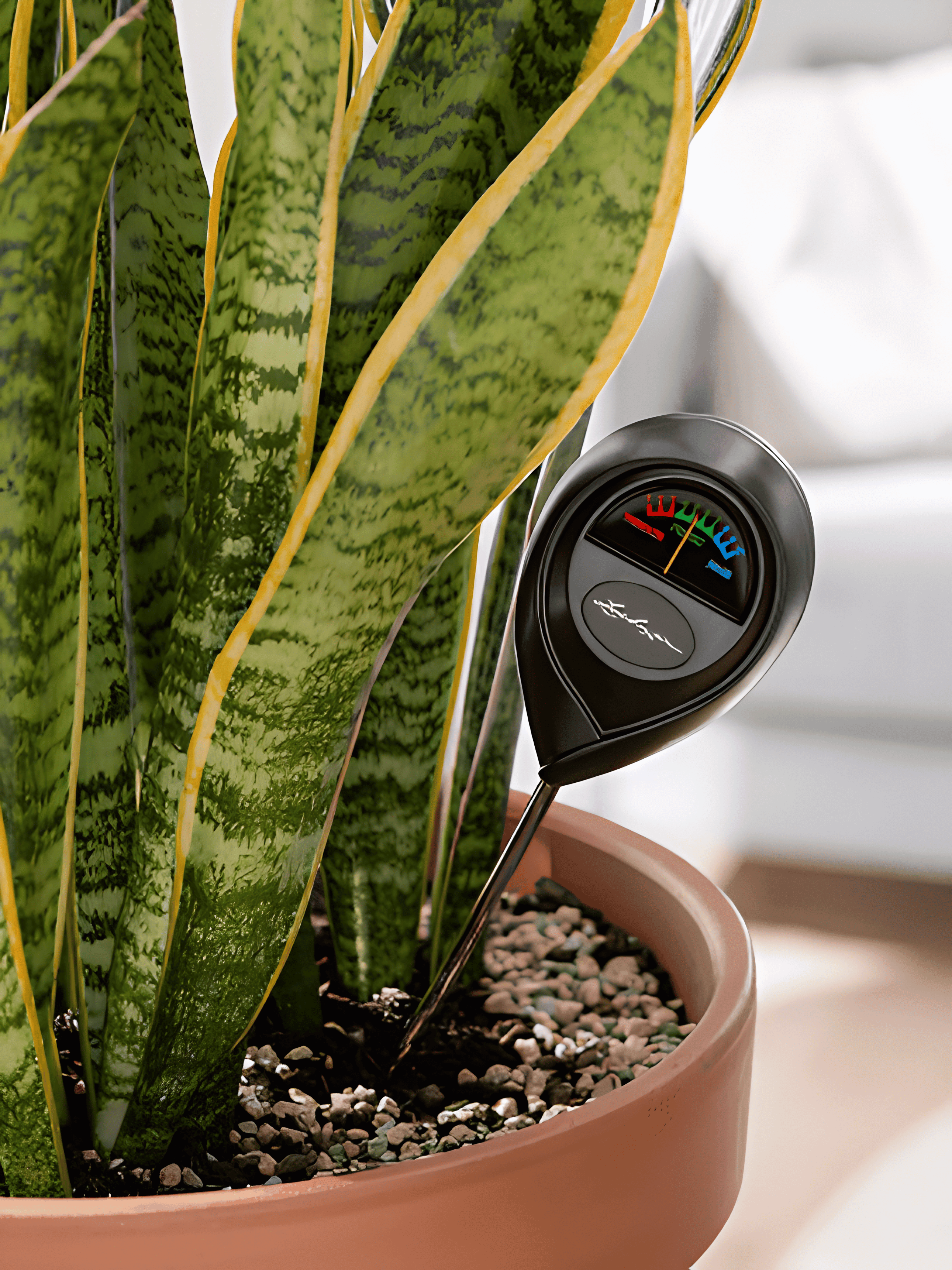
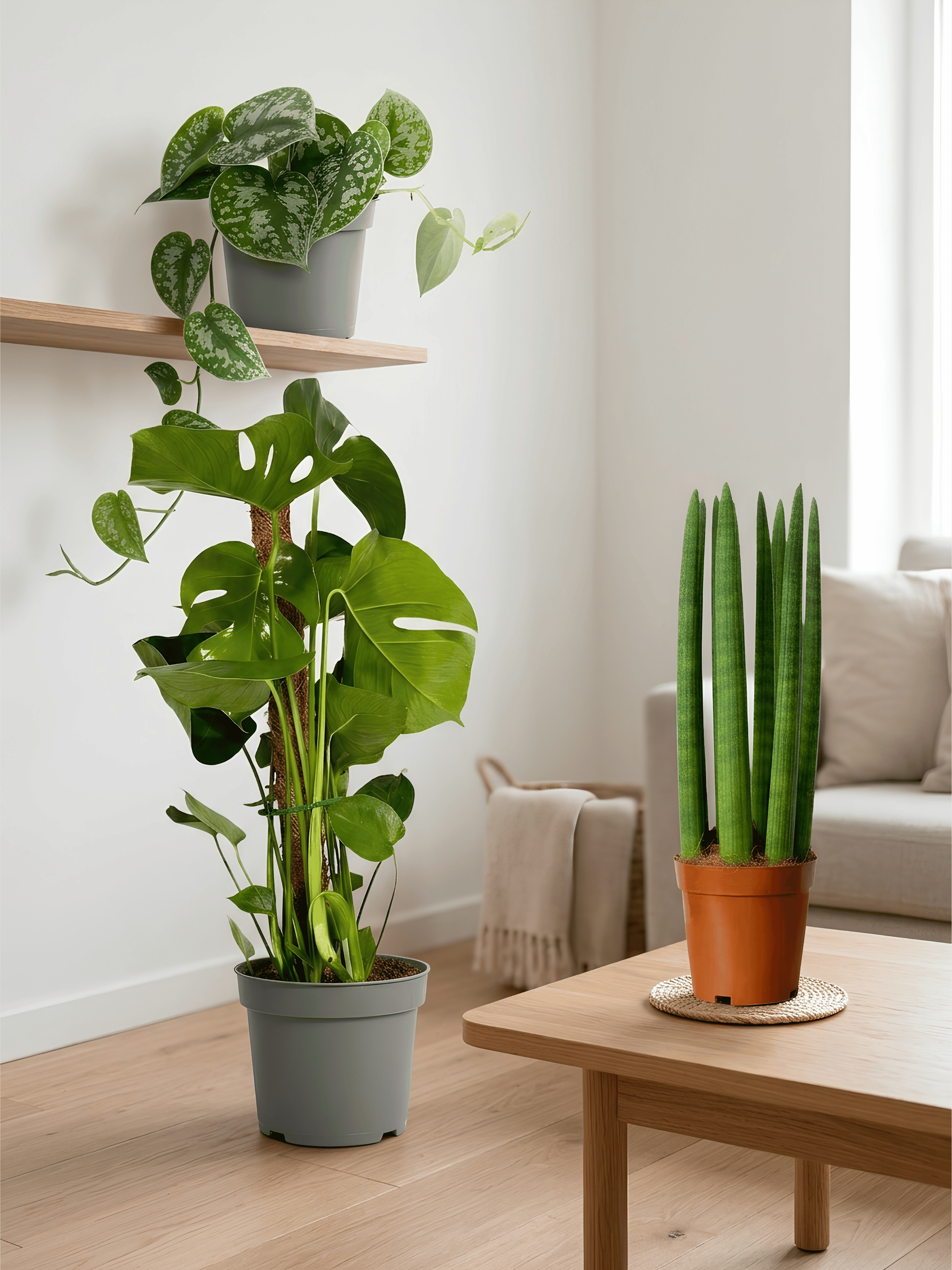
The Snake Plant, Sansevieria, is the most celebrated air-purifying houseplant and one of the easiest to own. It tolerates low light, thrives on minimal watering, and is one of the few plants that continues converting CO₂ to oxygen after dark, making it an excellent choice for bedrooms. Available in multiple varieties at Rebel Plants, including Large snake plants, the Moonshine, Black Gold, and Canary, there is a Snake Plant to suit every interior and every care level. The Peace Lily is another outstanding performer for air quality and produces beautiful white flowers even in lower light conditions, making it one of the most rewarding plants for rooms where other varieties struggle. Aloe Vera is beloved for its soothing gel and sculptural form and performs best on a bright, sunny windowsill. Pothos, the Rubber Plant, and the Spider Plant round out a collection of reliable, well-established air-purifying favourites that have earned their place in UK homes over the decades.
Frequently Asked Questions
Are Air Purifying Plants Safe for Pets?
Pet safety varies significantly across this collection. The Snake Plant and Peace Lily are both toxic to cats and dogs if ingested, so keep them out of reach in homes with animals. Pothos is also toxic to pets. Aloe Vera can cause digestive upset in cats and dogs. If you have pets and want genuinely safe air-purifying plants, the Spider Plant is one of the most effective air purifiers and is considered non-toxic to cats and dogs. Rebel Plants' pet-safe plant collection offers a wide range of options, specifically chosen for homes with pets.
Where is the Best Place to Put an Air Purifying Plant?
The bedroom is one of the most popular places for air-purifying plants, especially Snake Plants, which continue producing oxygen overnight and can help create a calmer sleeping environment. The living room benefits from larger specimens, such as the Rubber Plant or a statement Peace Lily, which can purify more air and add visual presence to the space. Bathrooms and kitchens are natural homes for air-purifying plants that tolerate higher humidity, such as the Peace Lily and Pothos. In general, the more plants you have across a home, the greater the cumulative air quality benefit.
How Many Air Purifying Plants Do I Need to Make a Difference?
There is no single definitive answer, but as a general guideline, one medium to large houseplant per 10 square metres of floor space is a commonly cited starting point for meaningful air-quality improvement. In practice, a handful of well-chosen plants distributed across a home's main living areas will make a noticeable difference to how fresh and alive the environment feels, even if the chemical purification effect is more gradual than the headlines sometimes suggest. Larger plants with more leaf surface area contribute proportionally more than small plants, which is one reason statement plants such as the Rubber Plant and large Sansevieria are particularly popular choices for air quality.
Are Air Purifying Plants Easy to Care For?
Most plants in this collection are chosen because they are genuinely manageable in everyday UK home conditions. The Snake Plant is one of the most forgiving houseplants in existence, tolerating irregular watering and low light far better than most. Pothos and Aloe Vera are similarly resilient. The Peace Lily is slightly more demanding of consistent moisture but will communicate clearly when it needs water by gently drooping its leaves, then perking up promptly after watering. Full care guidance is available on each product page.
Let customers speak for us

Surprised and delighted that the non-blooming option I chose turned out to be an orchid in full bloom! I have not noticed very much scent but I imagine that could be because the flowers are a little older. Absolutely beautiful regardless.

Fantastic healthy plants extremely well packaged. Would definitely buy again

Stunning..cant stop looking at it 🙂

Great design and lightweight.
I really love the colour combination

Arrived in perfect condition delighted with it
Arrived in perfect condition, several blooms and is putting more out by the day. Absolutely love.

Absolutely beautiful & fantastic plant, healthy and superb looking.
Especially ordered in for me - wouldn't hesitate to buy again from these lovely people.
A lovely looking plant

Gorgeous looking & excellent quality.

The plant was a gift for my daughter. It arrived at its destination in very good condition, (better than some of the other birthday plants!), and the recipient was very pleased.

This little bundle is so cute they were beautifully packaged so they arrived un damaged. Arrived in 2days. I couldn't be happier with them

These pots are beautifully made. They have 3 rubber feet. They were well packaged & arrived in 2 days un damaged

The temple crown cactus came well packaged to keep the plant in its pot. I got my order in 2days & im very pleased with it.

The starfish plant came beautifully packaged so that it stays in its pot with the soil. Im very pleased with it. It also arrived in 2 days.

What customers think about the store
Highly praised for fast delivery, excellent packaging, and healthy plants. Customers love the quality of both plants and pots, noting vibrant colors and beautiful designs. Outstanding customer service with responsive, helpful communication. Wide selection of u...


