



Filters




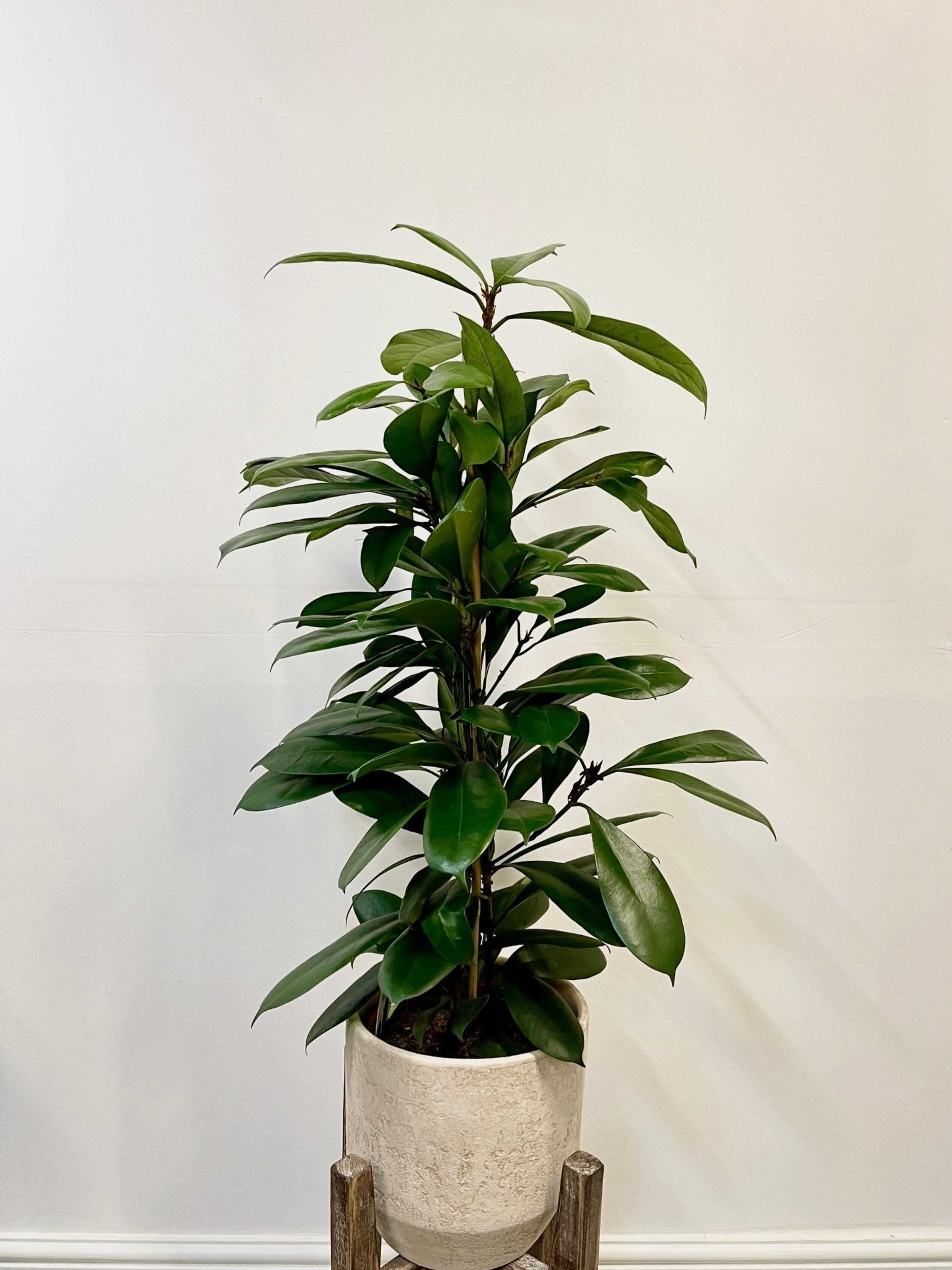



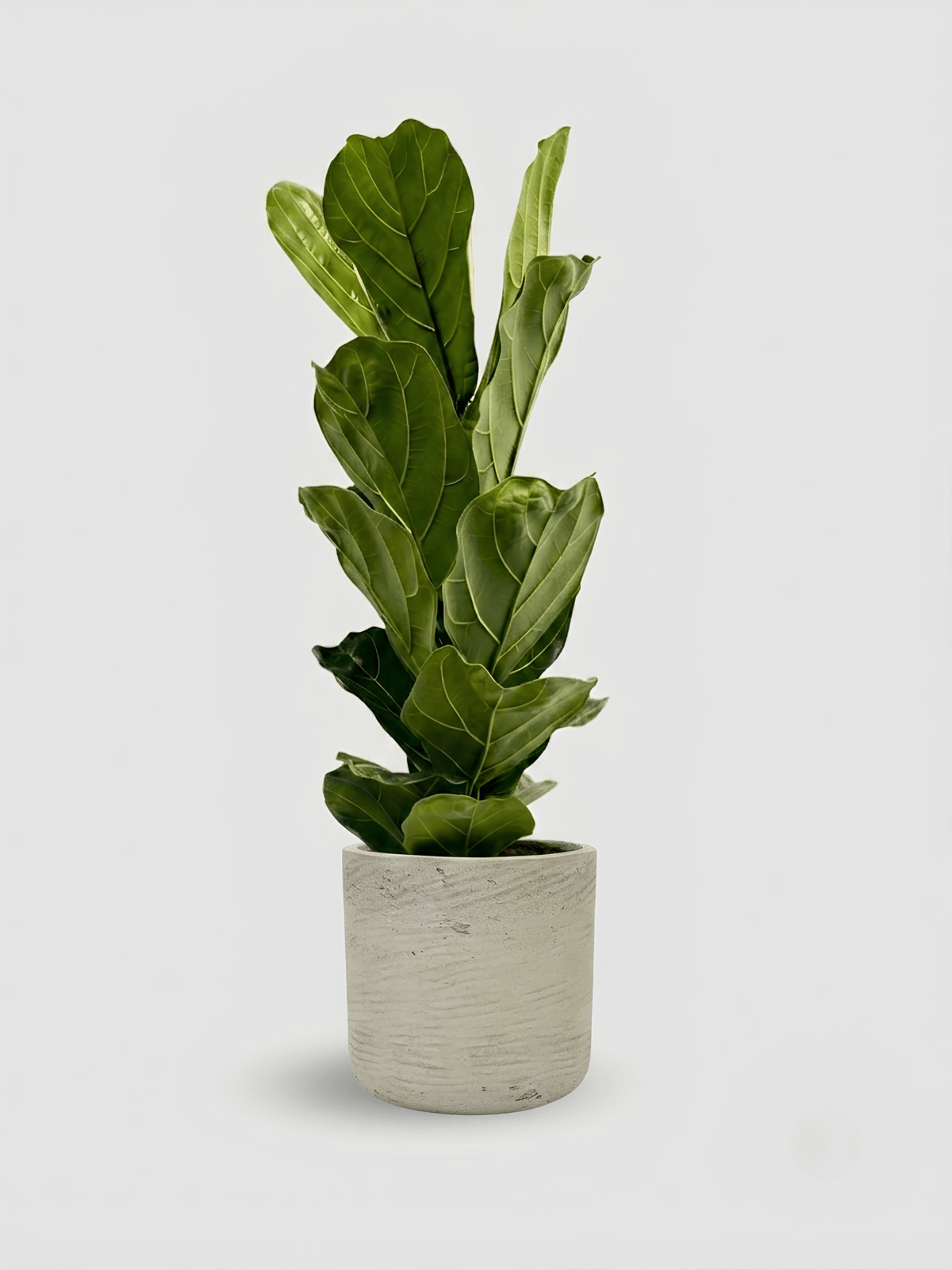

Ficus Houseplants UK | Rubber Plants and Fiddle Leaf Figs
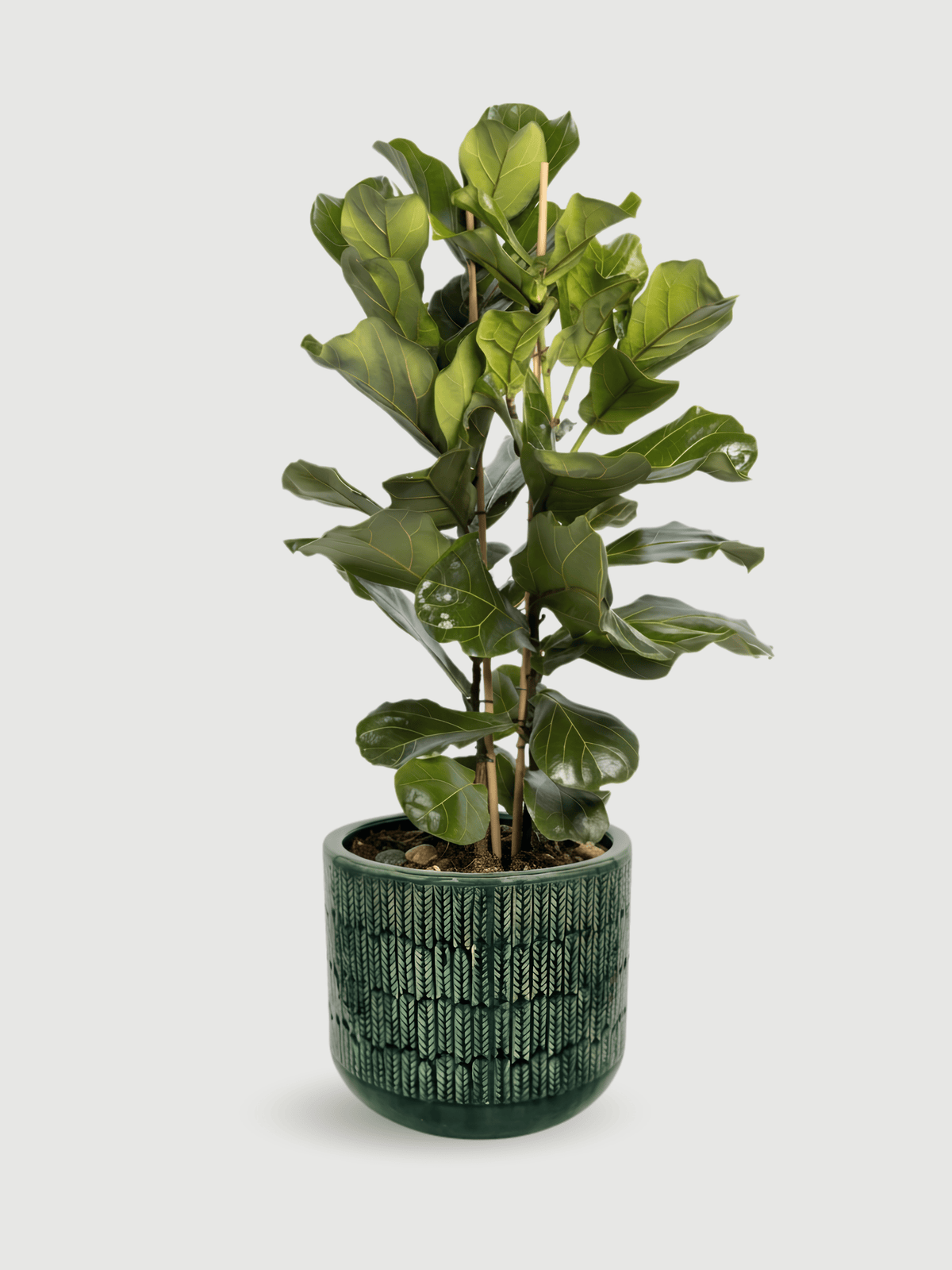
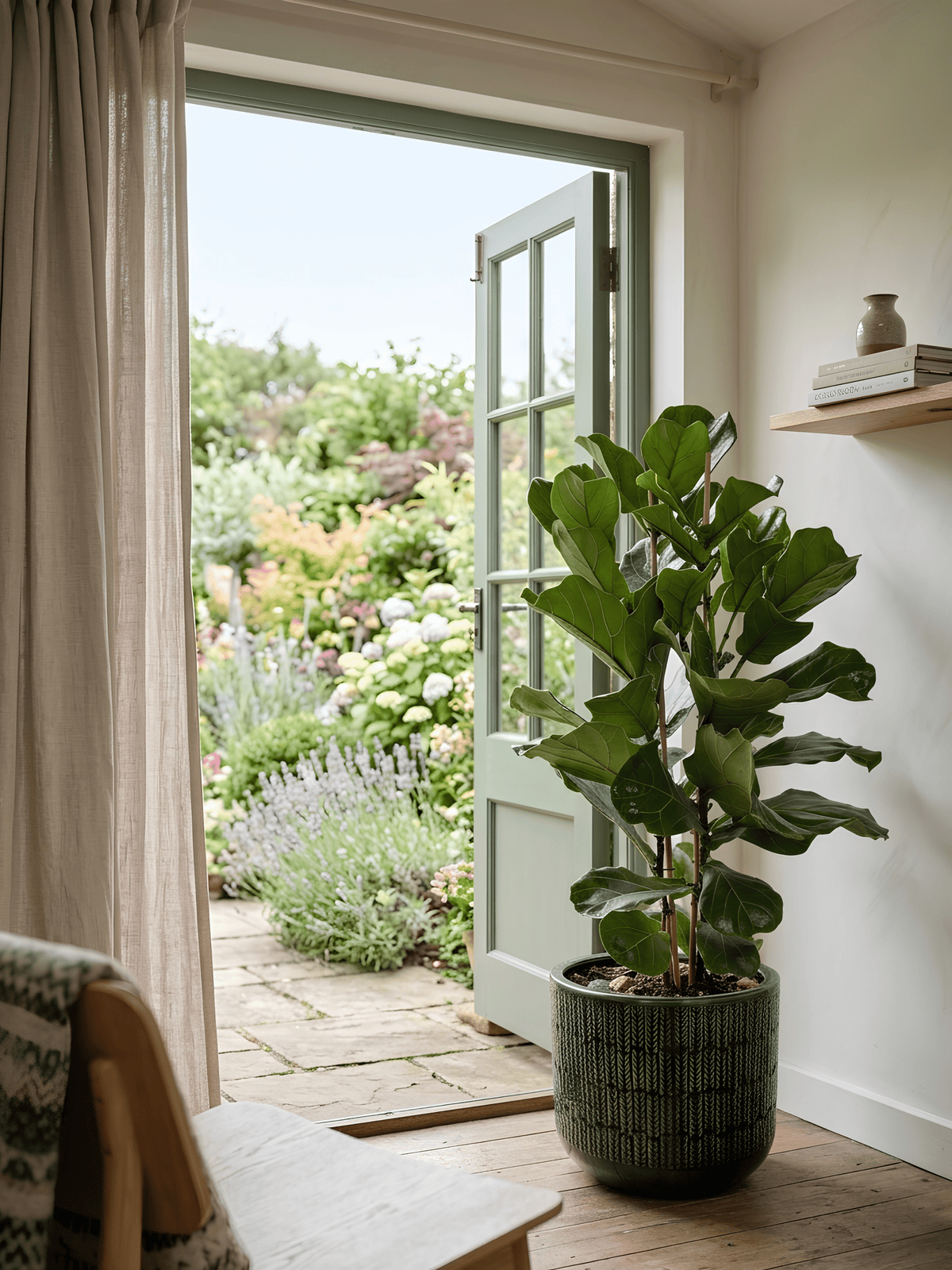
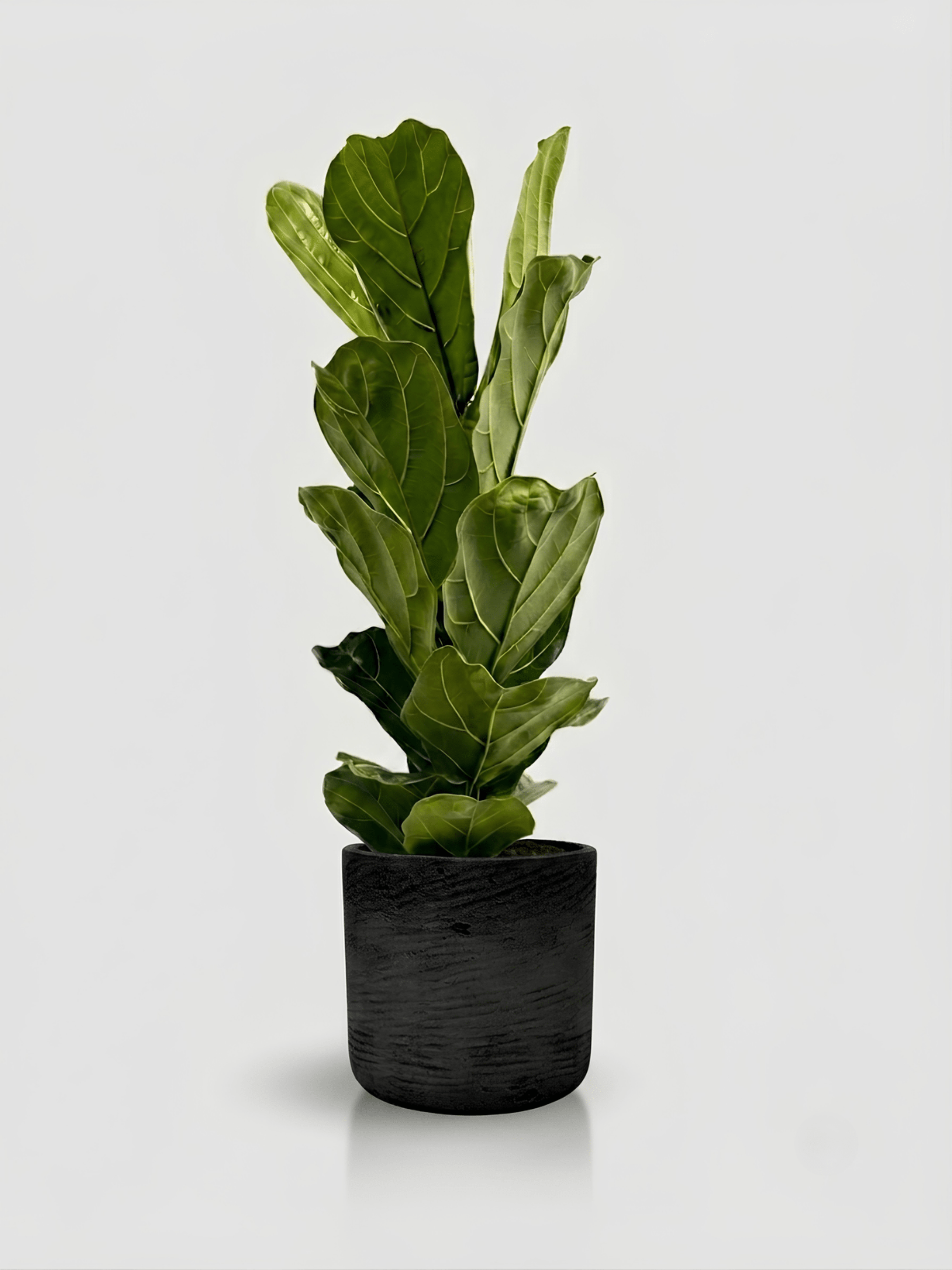
Discover Ficus Houseplants UK with Rebel Plants. Ficus, long favoured by UK interior designers and plant enthusiasts, are now enjoying a well-deserved resurgence. From the sculptural Fiddle-Leaf Fig with its vast, glossy, violin-shaped leaves to the elegant Rubber Plant in its classic deep green or striking variegated pink, the Ficus genus offers some of the most architecturally beautiful indoor trees available. These plants change a room rather than simply sit in it, commanding space and bringing the bold, tropical foliage that makes an interior feel genuinely alive. Rebel Plants is based in London and delivers UK-wide, so whichever Ficus variety catches your eye can arrive quickly and in excellent condition.
Which Ficus is Right for Your Home?
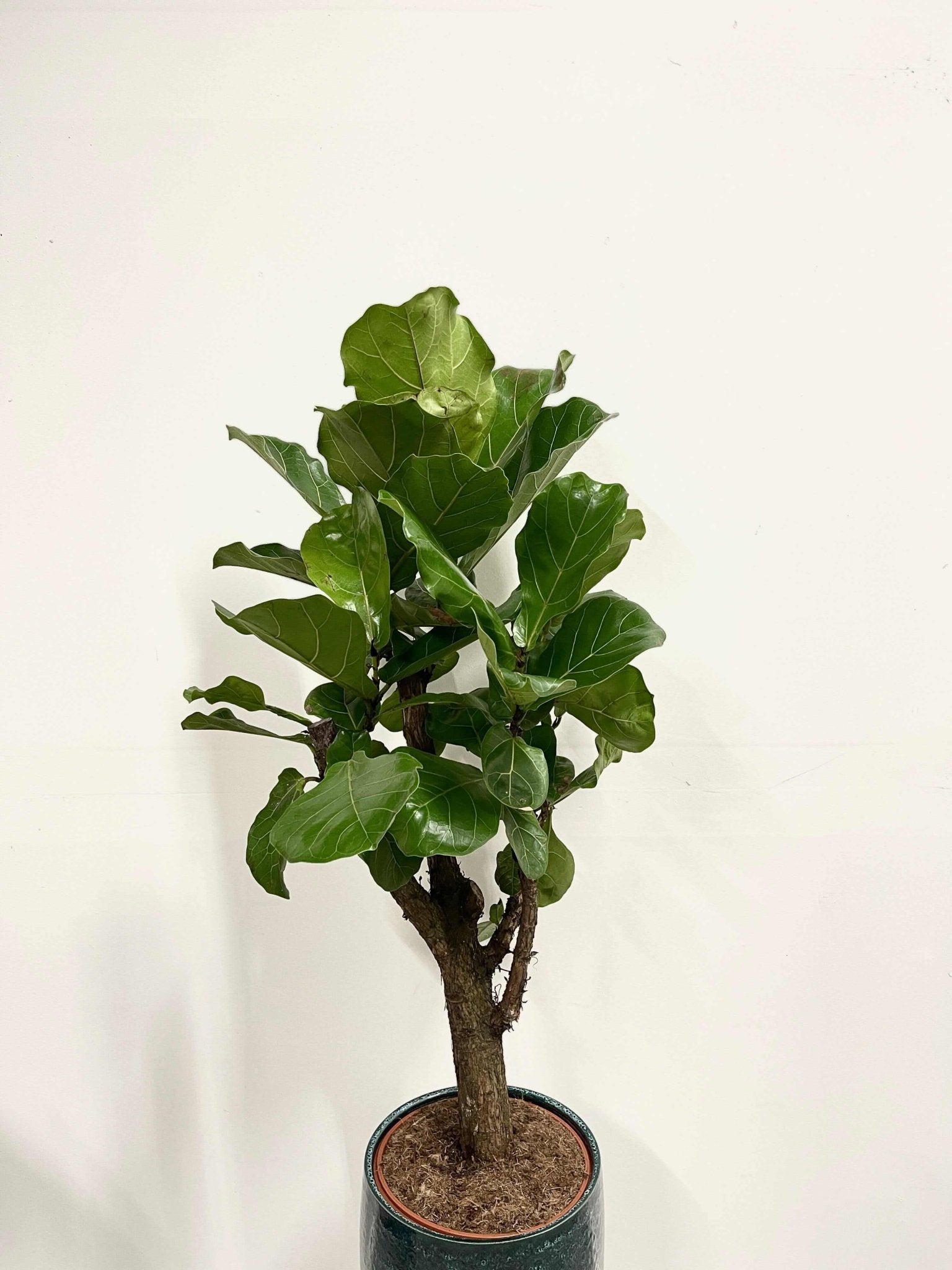
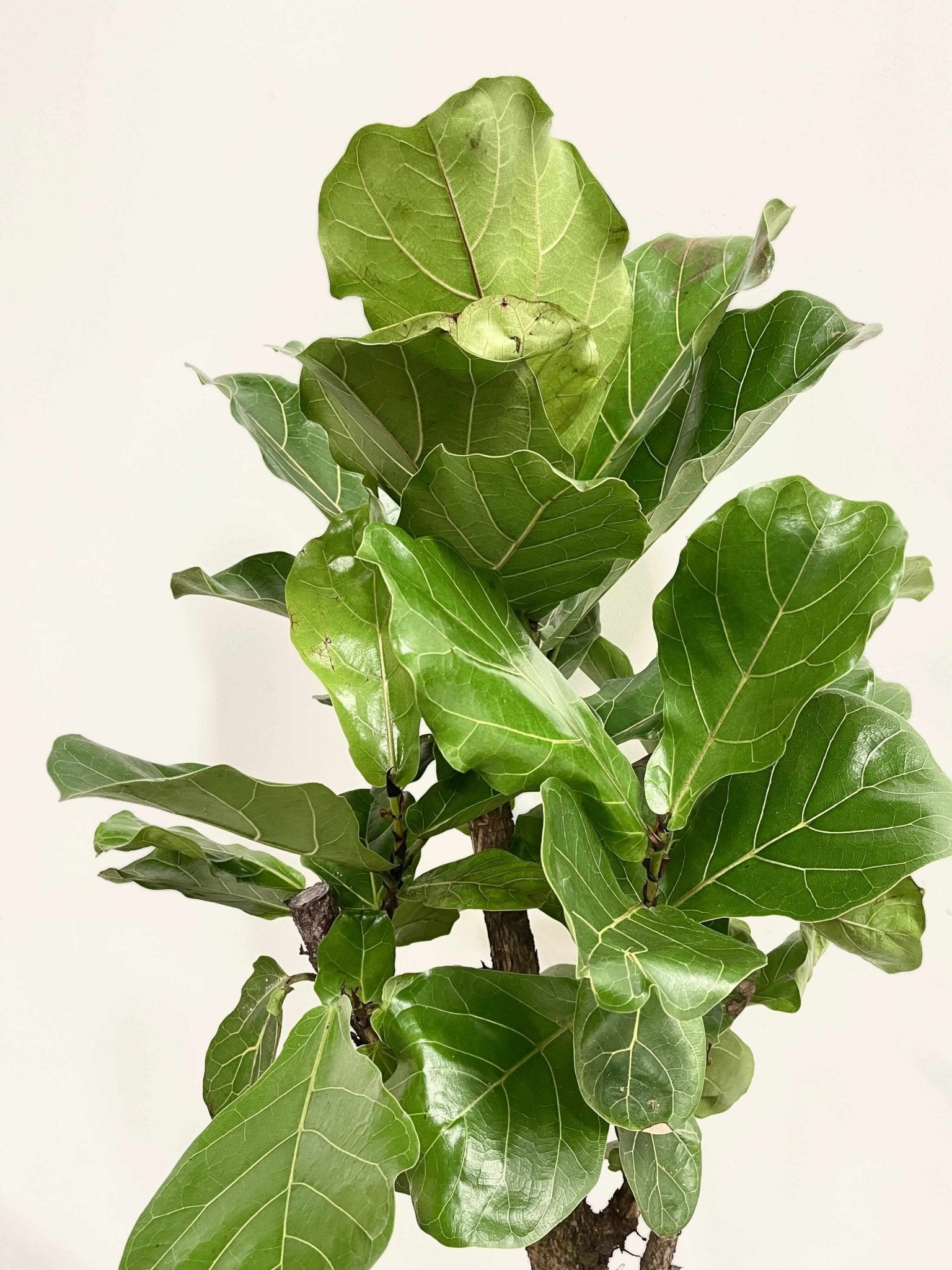
The Ficus family is broader and more varied than many people realise, and choosing the right variety makes a significant difference to how well it settles into your home. The Fiddle-Leaf Fig, Ficus Lyrata, is the classic choice for large living rooms and hallways, where its enormous glossy leaves and upright branching create a statement few other houseplants can match. Available from a smaller starter size up to a branched tree, it suits bright rooms with consistent indirect light and rewards patience and stability.
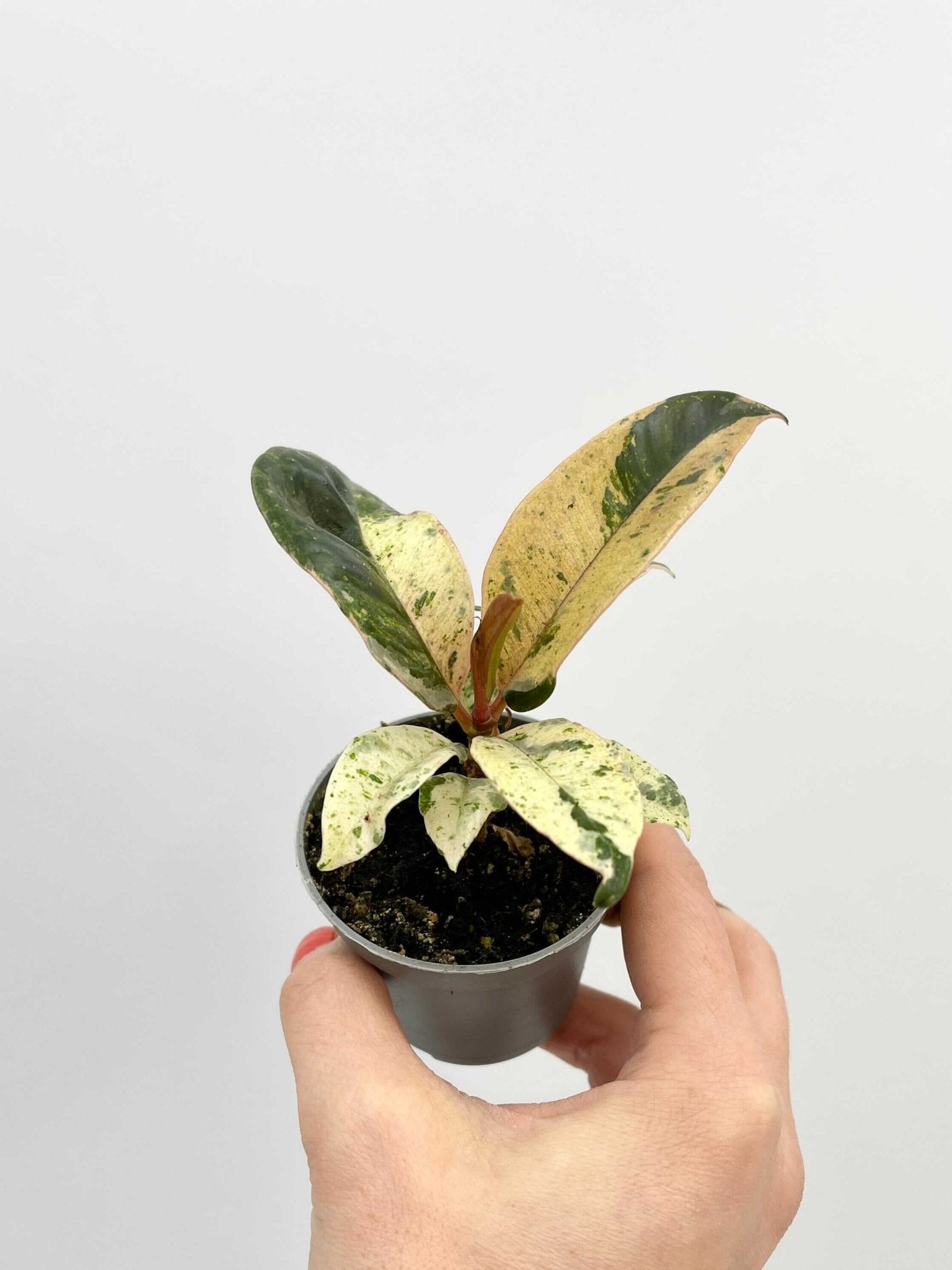
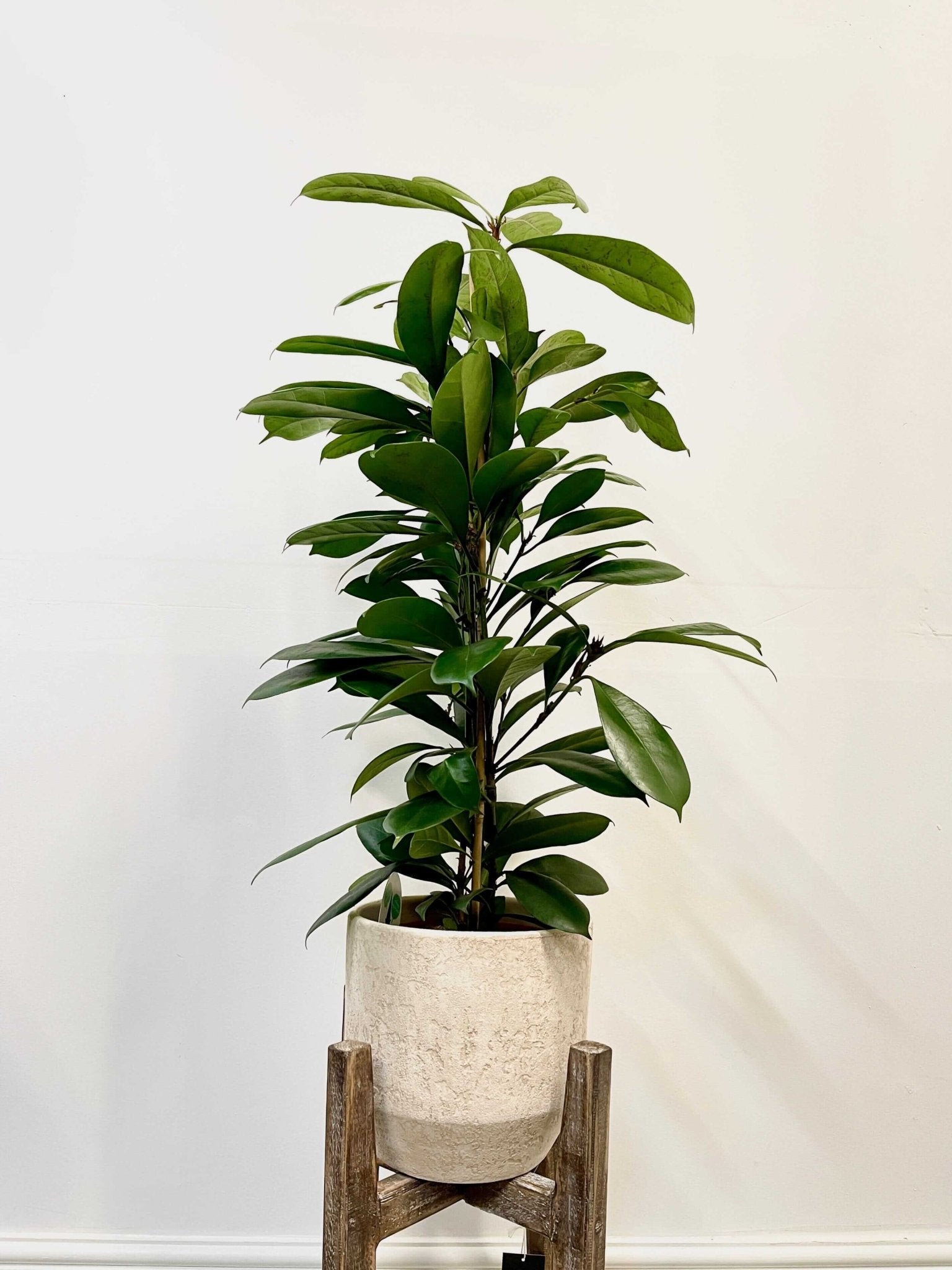
The Rubber Plant, Ficus Elastica, is more adaptable and arguably more forgiving for the everyday conditions of a UK home. The variegated Tineke variety, with its cream-and-green marbled leaves, and the Belize, with its extraordinary pink-and-red variegation, both bring something genuinely unusual to a plant display while remaining reasonably straightforward to care for. For something more compact and unusual, the Ficus Shivereana Moonshine offers silvery-green mottled foliage that looks quite unlike any other Ficus in the range. The Ficus Cyathistipula African Fig Tree is a lesser-known but highly architectural variety with glossy, deep green leaves and a strong natural structure.
How to Care for Ficus Houseplants
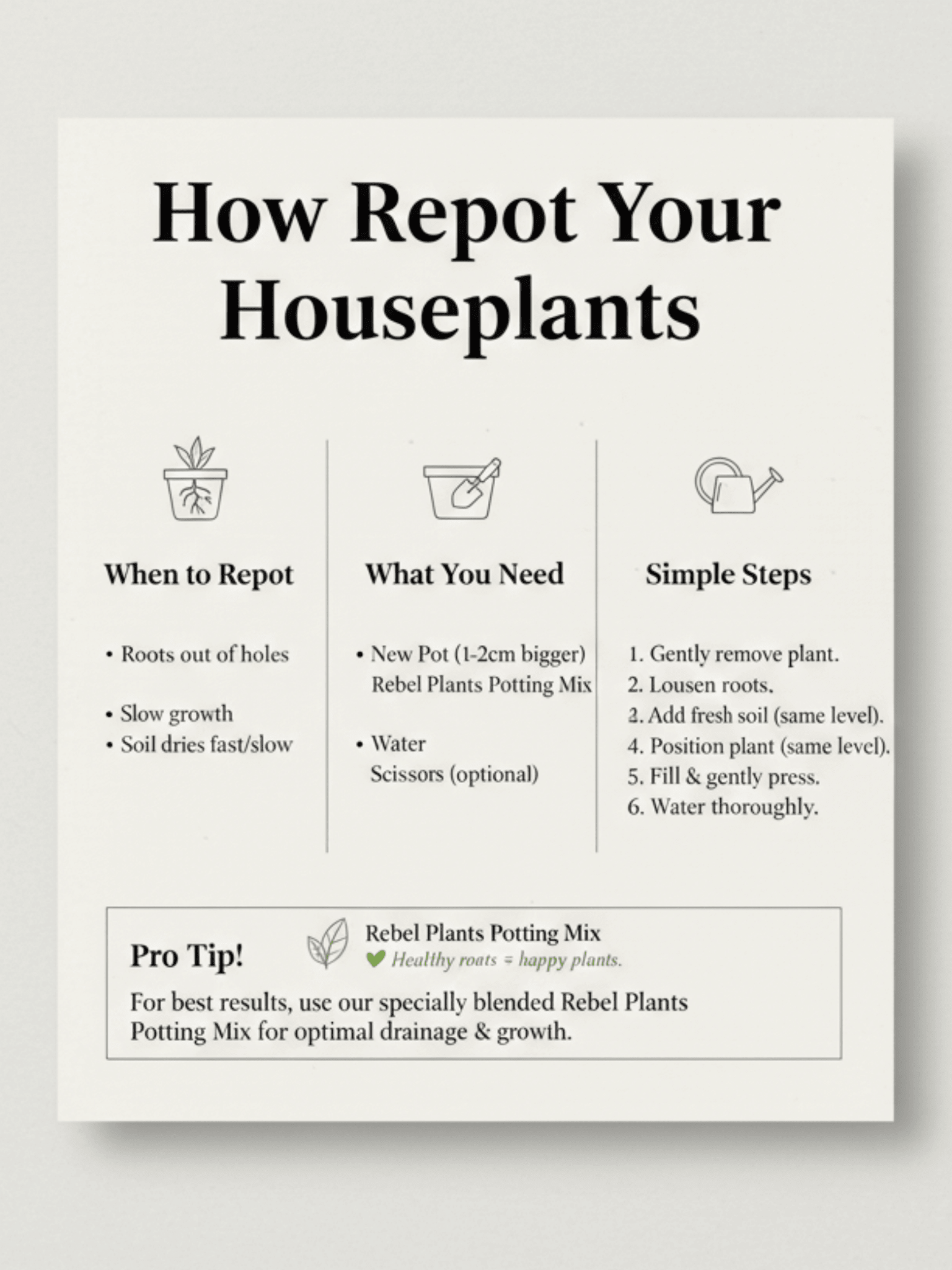
Ficus houseplants can seem temperamental, but thrive once their needs are met. They require bright, indirect light, a stable environment without sudden changes, and consistent (not excessive) watering, letting the top layer of soil dry out between waterings. Avoid moving them frequently, as this can cause leaf drop. Feed regularly during the growing season, clean their leaves to support photosynthesis, and repot every two to three years as they grow.
Frequently Asked Questions
Are Ficus Houseplants Safe for Cats and Dogs?
Ficus plants are toxic to cats and dogs. The milky sap throughout the plant, including the leaves and stems, can irritate the mouth, throat, and digestive system if pets ingest it, and it can also irritate skin in some animals.
What Pot Size Does a Ficus Need?
The right pot size for a Ficus depends on the current size of its root system. As a rule, choose a pot 2 to 4cm wider than the existing nursery pot, allowing enough room for the roots to grow without leaving excess soil that stays wet too long between waterings. Most Ficus in this collection are supplied in nursery pots ranging from around 12cm to 27cm. If you are unsure which decorative pot to choose, full sizing information is available on each individual product page and in the Rebel Plants sizing guide.
Let customers speak for us
Perfect pretty pot, well
Packed.

Really nice full plant, looks fab

Better than I expected and very well
Packed. Really pleased

As expected and well packaged, lovely pot


Lovely gift for my son and arrived promptly

Plants arrived in good condition. Still waiting for flowering.

This vase was exactly what I hoped for. It looks stunning. Couldn’t be happier!

Lovely pot. Pity about the delivery with Royal Mail. It got here eventually, but it was touch and go.

Boyfriend really liked as gift

Lovely orchid, exactly like the picture! Boxed really well.

Lovely healthy plant very happy,will definitely use this seller again

Beautiful little plant, very healthy and safely arrived, we'll packaged up. I love this plant, very happy.

What customers think about the store
Highly praised for fast delivery, excellent packaging, and healthy plants. Customers love the quality of both plants and pots, noting vibrant colors and beautiful designs. Outstanding customer service with responsive, helpful communication. Wide selection of u...