




Article: How to Repot Houseplants: When, Why, and How to Do It Properly
How to Repot Houseplants: When, Why, and How to Do It Properly
At Rebel Plants, we see this repeatedly, especially with popular indoor plants such as Monstera, Philodendron, Sansevieria, and Alocasia that have been in the same pot for a couple of years. A once-thriving plant begins to lose its lower leaves, growth slows down, and no amount of extra light or fertiliser seems to help. More often than not, the issue isn't care. It's space. Repotting is an essential long-term care step for indoor plants. Providing roots with fresh soil and more space encourages your plant to thrive indoors without unnecessary stress.
Why Repotting Really Matters 🧤
Plants grown in pots depend on a limited amount of soil. Over time, two things inevitably occur: roots begin to fill the available space, compacting and restricting airflow; and the potting mix breaks down, losing its structure and its capacity to retain nutrients. When this happens, even healthy-looking plants can become stunted.
Professional Indicators: Is It Time? ⏳
Before repotting, watch for these common signs:
- White mineral build-up on the soil surface or around the pot rim
- A top-heavy plant that feels unstable in its pot
- Water is pooling on the surface instead of draining through
- If you notice more than one of these, it's time to act.
The Rebel Plants Repotting Method 🪴
1. Choosing the Right Soil Mix: Most tropical houseplants benefit from a free-draining, well-aerated soil mix that allows oxygen to reach the roots. Our multipurpose houseplant soil is ideal for general houseplant care. In contrast, our specialist soil mixes are formulated for specific plant types, providing a chunkier, fast-draining structure for plants that require extra airflow and drainage.
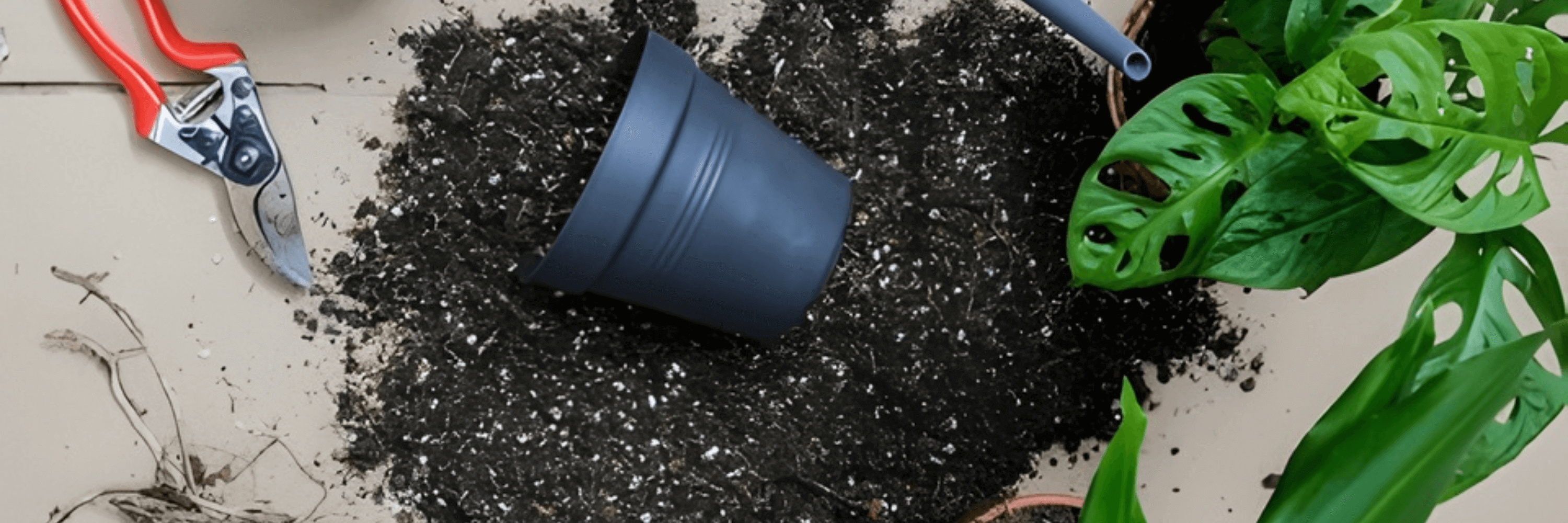
2. Gentle Extraction: Water your plant around 24 hours before repotting. Moist roots are more flexible and less likely to snap. Turn the pot upside down, support the plant's base, and gently ease it out.
3. Root Check & Preparation: If roots are tightly circling the base, gently tease them apart. Trim away any soft or dark roots using clean scissors. This helps prevent rot once the plant is settled into fresh soil.
4. Pot Size & Styling: Never jump more than one pot size (around 2–5cm wider). A pot that's too large will hold excess moisture, which can lead to root problems.
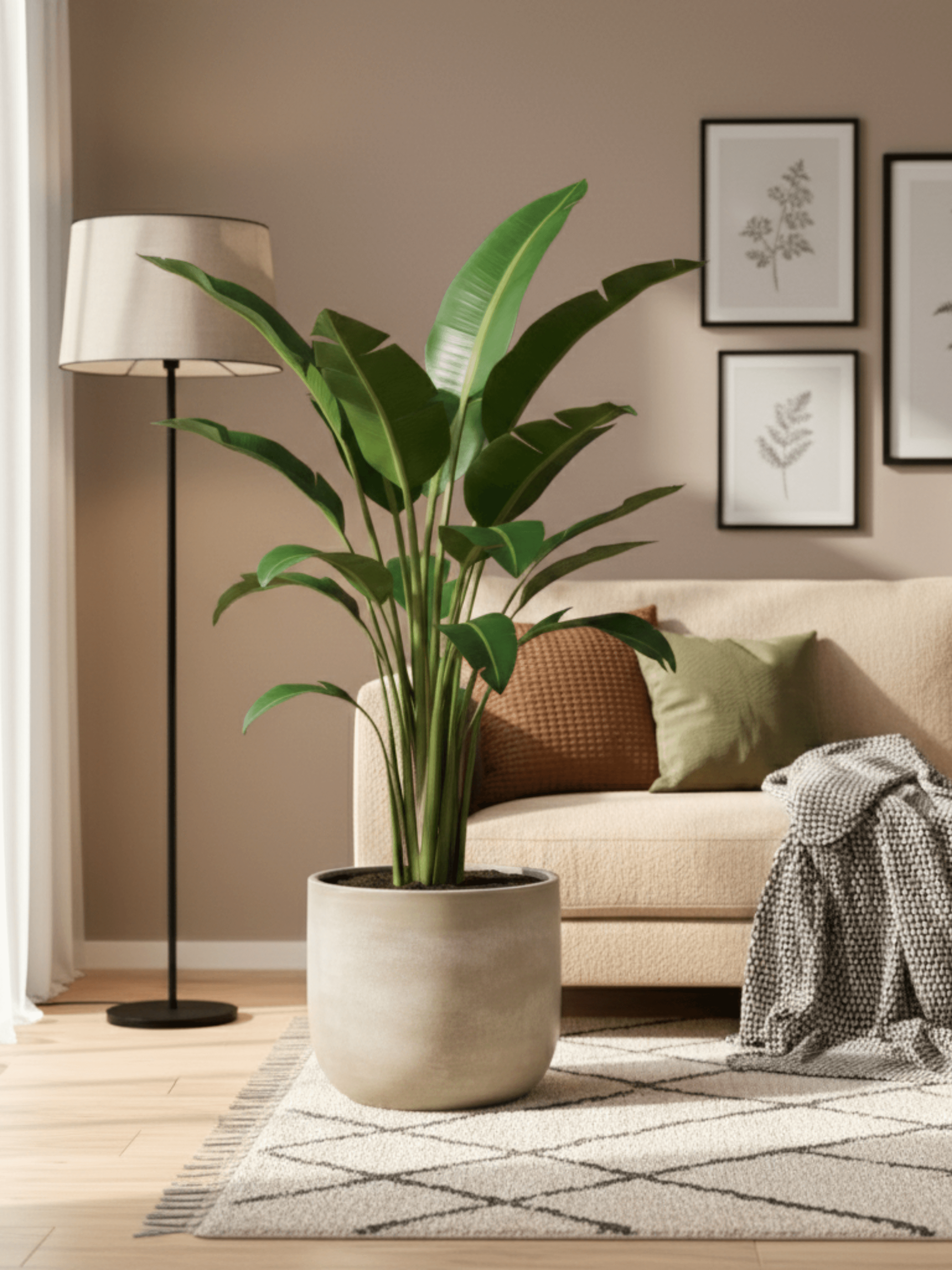
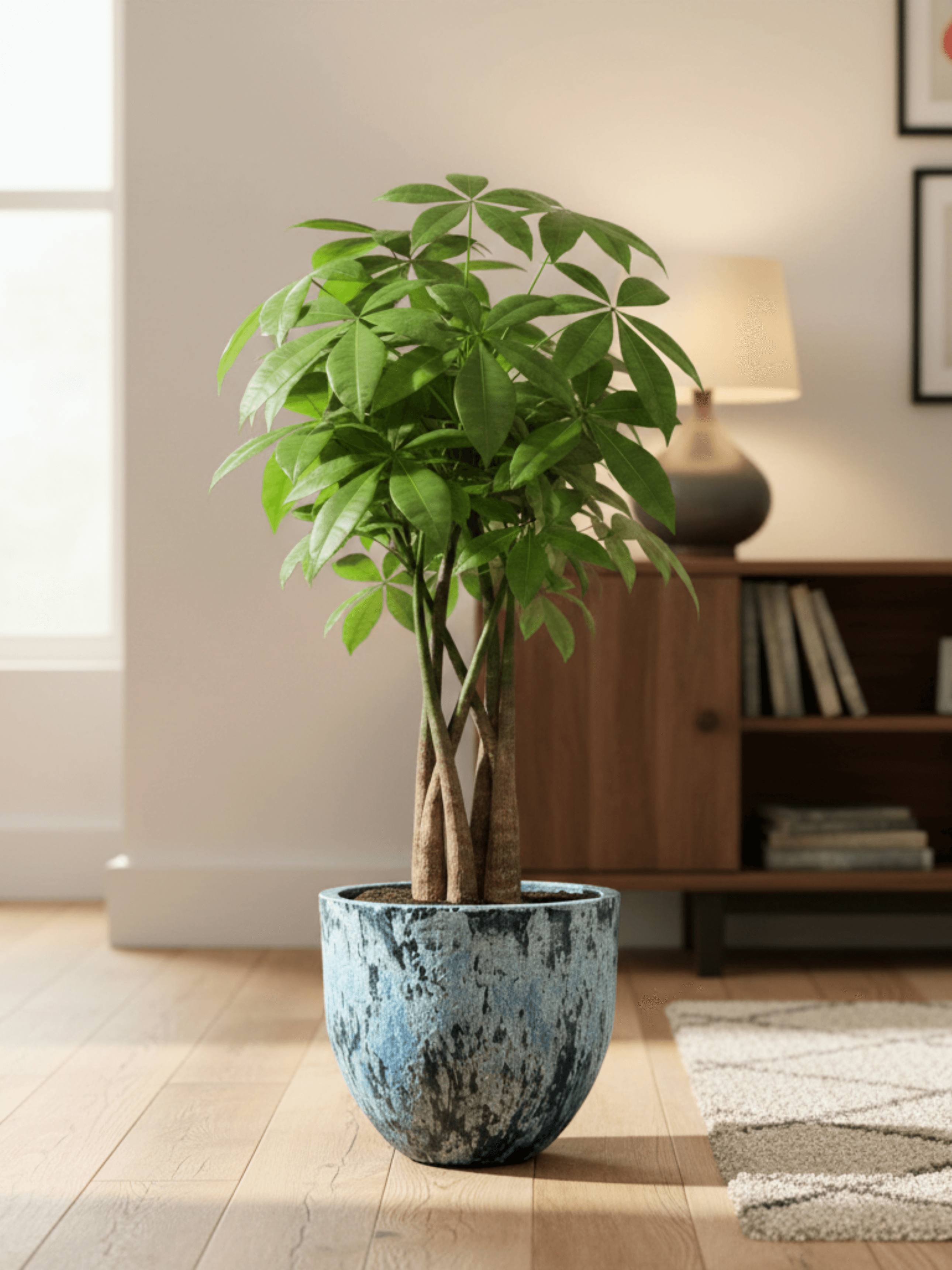
Repotting is also the perfect opportunity to refresh your plant styling by pairing it with a decorative pot that matches your space. When using decorative pots without drainage holes, managing moisture becomes even more important.
5. Don't Skip the Pot Liner 💧
When styling plants in ceramic, metal, or concrete pots, we always recommend using a waterproof liner. Plant pot liners protect decorative pots, floors and furniture from moisture damage. They're a simple addition that makes indoor plant care cleaner and more practical.
6. Settling In ☀️
Position the plant at the same depth as before. Add soil around the roots, then gently tap the pot to release air pockets rather than pressing the soil down firmly.
The Golden Rule After Repotting ✨
Avoid fertilising for at least six weeks. Fresh soil already contains nutrients, and feeding too soon can damage sensitive new roots. Give your plant time to settle before encouraging new growth. Our soil mixes are made from carefully selected components, including bark, coir, perlite, charcoal, worm casting and other mineral aggregates, creating a free-draining, well-aerated environment for healthy root growth.
Repotting isn't just a maintenance task; it's one of the most effective ways to restore your indoor plants' health and help them thrive over the long term. With the right soil and the correct pot size, you create a stable environment where roots can breathe, and growth can continue naturally. Whether you're refreshing a single houseplant or caring for a growing indoor jungle, investing in the right materials makes all the difference.

Questions From Our Customers 💡
Q: My plant has just been delivered. Should I repot it straight away?
A: One of the most common questions we hear, and the short answer is no. Newly delivered plants have been through temperature, light, and handling changes. Repotting immediately adds extra stress. Let your plant settle for 1–2 weeks in its new environment. Water only if needed, and allow it to adjust to light and humidity.
Q: How do I know when my indoor plant really needs repotting?
A: Look for these signs: roots circling the bottom, mineral build-up, water pooling, or a top-heavy plant. If multiple signs are present, it's likely time to repot.
Q: Can I repot my houseplants in winter?
A: Spring and summer are ideal, but you can repot in winter if your plant is root-bound or struggling. Growth is slower in winter, so reduce watering slightly and avoid fertilising until spring.
Q: Should I use a bigger pot if my plant has grown fast?
A: Increase by 1 pot size only (2–5cm wider). A pot that is too large can retain excess moisture, leading to root issues.
Q: Can I use decorative pots without repotting?
A: Yes! Many customers place the nursery pot inside a decorative pot or use a plant liner. This keeps roots undisturbed while maintaining a stylish look.
Explore our Full Collection of Artisan Plant Potsdelivered UK-wide, including Northern Ireland. Remember, you can find the verified Pot Opening Size in the description of every pot to ensure a perfect fit for your green friends! 🪴❤️

